
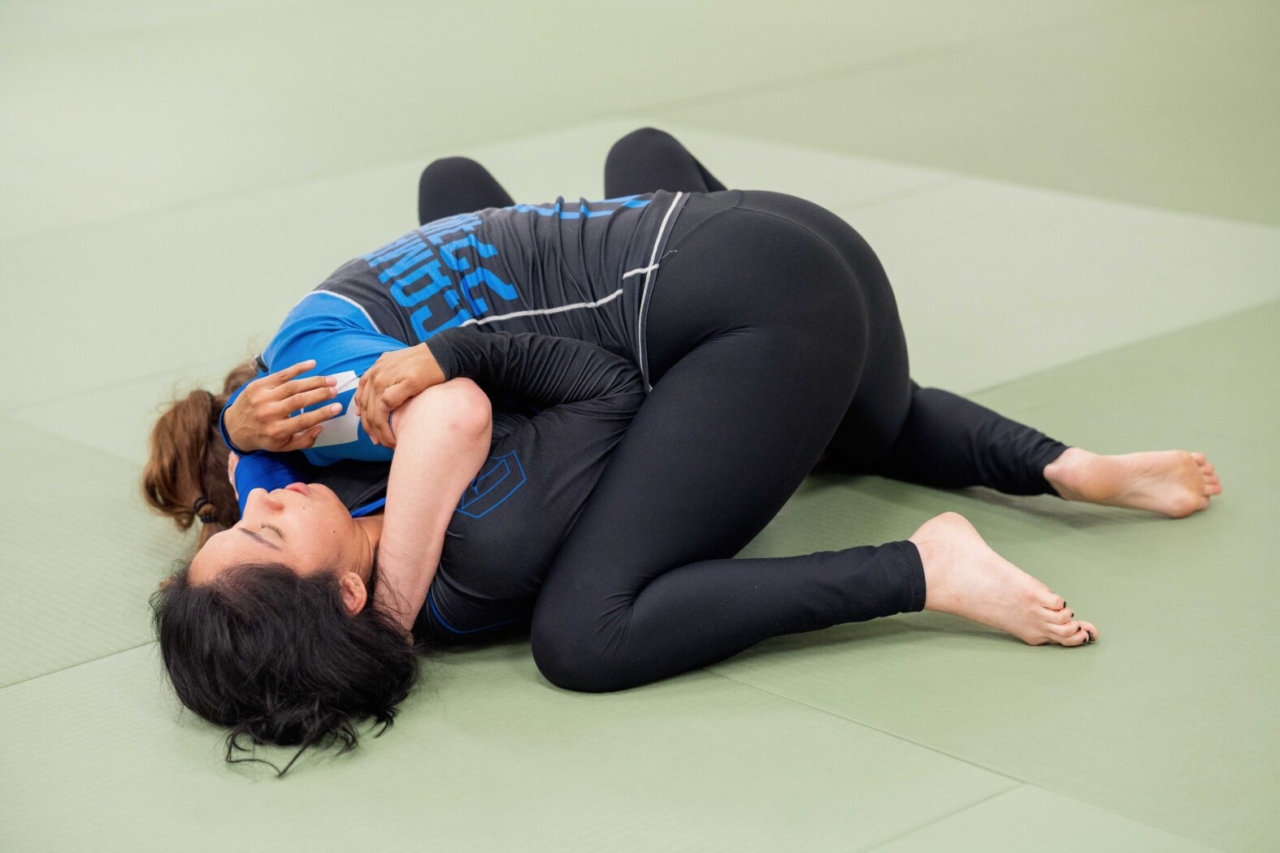
Understanding Fundamental Guard Retention in Modern BJJ
Developing dependable defensive mechanics starts with understanding foundational bjj guard retention concepts that neutralize aggressive passing attempts. Practitioners training in Richardson, Texas and across the Dallas–Fort Worth Metroplex depend on these core strategies to maintain control against intense pressure.
Your guard represents an active defensive shield on the mats. Prioritizing defensive alignment before launching offensive submissions protects your posture, reduces unnecessary fatigue, and prevents opponents from settling into dominant control.

DISCOVER Progresso Jiu Jitsu Richardson
CLICK HEREBiomechanical Foundations of Effective Guard Recovery
Reliable guard retention depends on sound human biomechanics rather than explosive muscular energy. Establishing structural barriers and maintaining proper spinal alignment allows practitioners of any size to dissipate heavy top pressure efficiently.
Creating Structural Frames with Forearms and Knees
Skeletal frames transfer incoming force directly into the ground instead of taxing your muscles. Placing a forearm firmly across an advancing partner’s collarbone creates an unyielding physical barrier that prevents chest-to-chest contact.
Reinforcing your forearm frames with an active knee shield maintains critical spatial separation. This protective buffer gives your hips sufficient mobility to realign whenever a passer initiates aggressive forward drives.
Maintaining Active Hip Mobility on the Mat
Lying flat on your back severely limits your movement and invites dominant passing angles. Tilting slightly onto a shoulder blade keeps your hips elevated, agile, and prepared to react instantly to sudden direction shifts.
Practicing consistent hip escapes allows you to disengage before an opponent consolidates side control. Moving your hips away creates the required pocket of space to rethread your shins back into defensive positions.
Mastering Essential BJJ Guard Retention Concepts
Studying proven bjj guard retention concepts enables you to identify passing trajectories before your opponent locks down side control. Anticipating your training partner’s intentions conserves valuable energy during grueling sparring rounds.
Identifying whether an opponent prefers outside speed maneuvers or tight pressure passes dictates your framing strategy. Early recognition ensures prompt postural adjustments that keep your defensive guard fully intact under stress.
Establishing Strong Connection and Weight Distribution
Loose contact invites quick lateral movement and sharp angle changes from standing passers. Maintaining continuous, intentional contact through your feet and shins allows you to track an opponent’s center of gravity accurately.
Keep your limbs collected near your core rather than reaching outward recklessly. Balanced weight distribution guarantees that unexpected directional feints do not compromise your core stability or open easy passing lanes.
Defensive Lines and Early Recovery Dynamics
Modern defensive grappling operates through progressive layers of security. Understanding how each defensive line interacts ensures you can smoothly transition to secondary barriers whenever an initial frame is compromised.
Managing the Outer Line of Defense Through Feet and Grips
Your feet and hands represent the primary perimeter against any incoming guard pass. Establishing firm control over sleeves, collars, or ankles breaks the passer’s posture and slows their forward momentum considerably.
When an opponent manages to strip your grips, avoid overextending your arms to chase them. Immediately retract your limbs to reinforce your secondary defenses and safeguard your vital interior space.
The Secondary Barrier of Knees and Elbows Connection
When a passer bypasses your feet, your knees and elbows must connect tightly to protect the torso. Closing this inside space prevents top players from sliding their knees across your belly or establishing deep underhooks.
Maintaining strong elbow-to-knee contact shields your ribcage from flattening pressure. This compact alignment denies your partner the upper-body grips needed to finalize cross-face control on the mats.
Regaining Centerline Alignment Against Passing Pressure
Re-centering your torso toward the passer is a cornerstone of effective bjj guard retention concepts. Allowing an opponent to move past your hip line leaves your spine twisted and vulnerable to back exposure.
Execute a deliberate shrimp outward, establish a stable post on your elbow, and pivot your shoulders back into alignment. Facing your partner squarely restores your ability to deploy two-legged frames once again.
Tactical Reactions to High-Pressure Passing Styles
Different passing styles require precise defensive adjustments to preserve guard integrity. Preparing systematic counters for common passing systems ensures you stay calm and composed through intense sparring exchanges.
Countering Torreado Passes with Inversion and Framing
Speed passers frequently attempt to throw your legs aside to establish immediate side control. Counter this momentum by framing stiffly against the passer’s shoulder while raising your hips to catch their hip line.
If your lower body is forced outward, a controlled shoulder roll allows your bottom shin to cut across the passer’s waist. This dynamic recovery deflects their momentum and resets the encounter to a neutral guard.
Neutralizing Body Locks and Pressure Passing
Heavy pressure passers work methodically to clamp your knees together and pin your hips flat. Applying disciplined bjj guard retention concepts helps you pummel your feet back inside their thighs before pressure settles.
Utilizing butterfly hooks and subtle hip elevations relieves upper-body compaction against tight body locks. Creating micro-space allows you to thread defensive frames inward and deconstruct their crushing grips safely.
Granby Rolls and Dynamic Hip Escapes Under Stress
When an opponent manages to pass your knee line, the Granby roll serves as an invaluable emergency reset. Rotating smoothly across your upper shoulder blades brings your legs back between you and your opponent.
Always roll across your shoulders while keeping your chin securely tucked rather than bearing weight on your neck. This controlled maneuver neutralizes deep passing pressure and restores your guard line cleanly.
Structured Drilling and Progressive Resistance on the Mat
Consistent technical drilling ingrains defensive mechanics into instinctive habits. Practicing guard recovery against gradually increasing resistance ensures your frames withstand unexpected pressure spikes during live sparring sessions.
At Progresso Jiu Jitsu Richardson, students refine their technical defense through focused positional sparring and deliberate drills. This supportive training environment empowers practitioners of all levels to build reliable, functional defense on the mats.
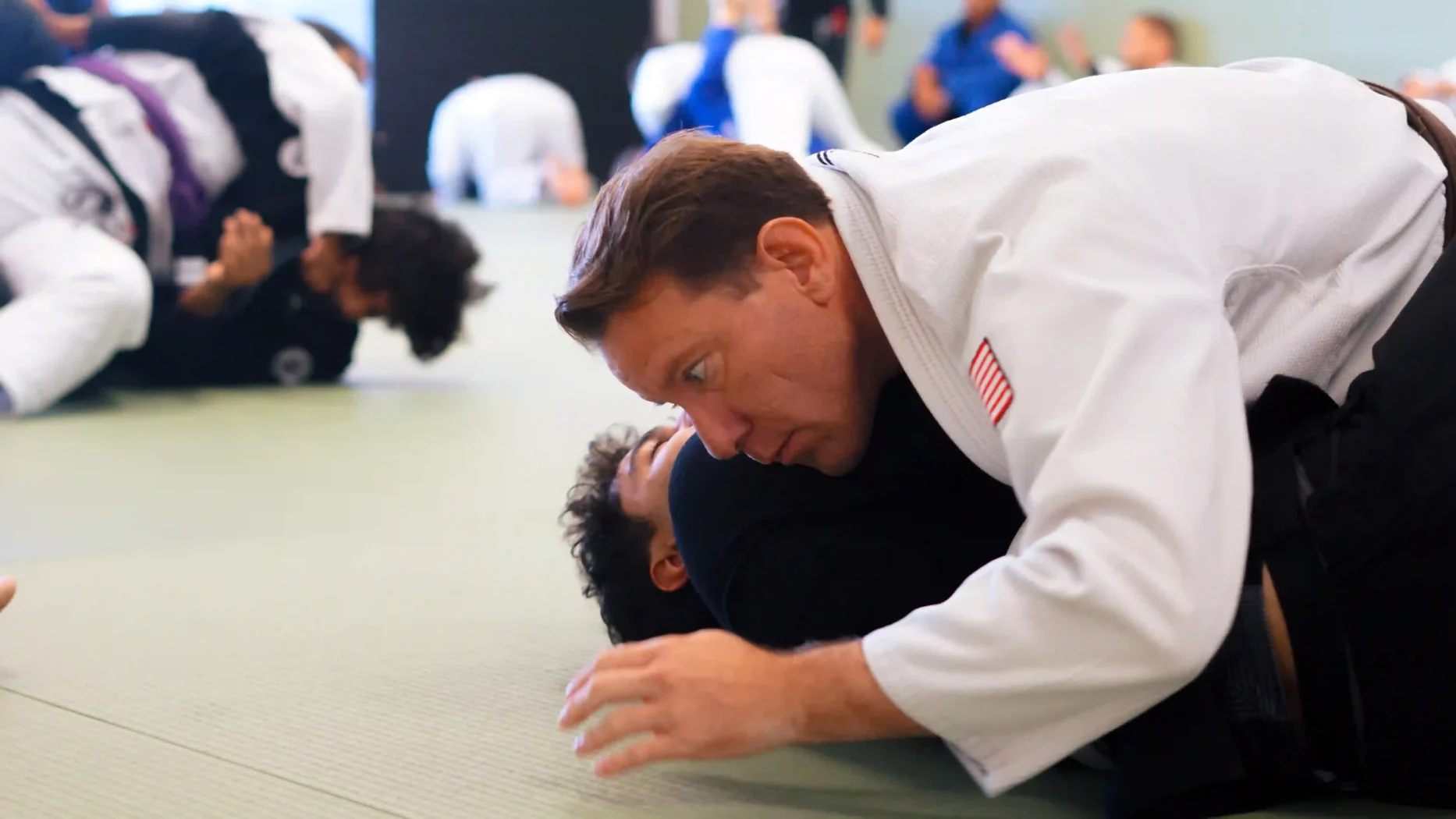
Integrating Guard Defense into Daily Sparring Rounds
Sustained progress in guard retention requires steady breathing and composure under heavy pressure. Avoiding panic when a passer advances allows you to systematically rebuild your frames rather than making erratic movements.
Focus on securing small positional increments instead of searching for single dramatic escapes. Reclaiming just a few inches of hip space is often all you need to slide a knee back into place.
DISCOVER Progresso Jiu Jitsu Richardson
CLICK HEREElevating Your Defensive Foundation on the Mats
Mastering fundamental bjj guard retention concepts transforms your time on the mats from reactive defense into confident positional control. With resilient structural frames and disciplined hip movement, passing your guard becomes a demanding task for any partner.
Practitioners throughout Richardson, North Dallas, and Plano can elevate their overall performance by cultivating sound defensive habits. Consistent mat time and structured guidance unlock lasting confidence on your grappling journey.