
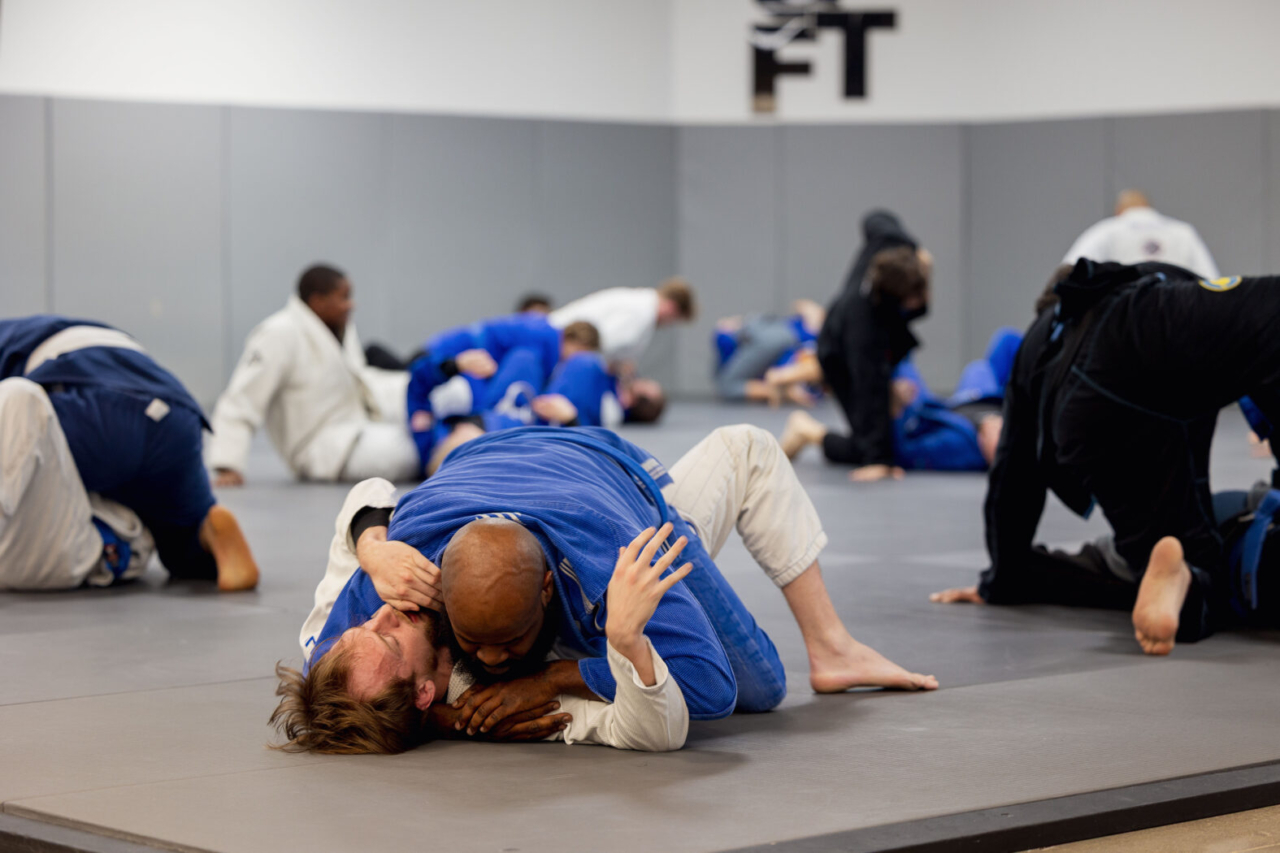
Mastering Foundational BJJ Side Control Escapes for Beginners
When starting your martial arts journey, learning effective BJJ side control escapes is essential for developing confidence and survival skills on the mats.
Building a solid defensive foundation ensures that practitioners can safely navigate difficult positions during intense training sessions. By exploring structured grappling methodologies at Progresso Jiu Jitsu Plano, you will build resilience and technical proficiency for every challenging scenario.
DISCOVER Progresso Jiu Jitsu Plano
CLICK HEREUnderstanding Defensive Posture and Framing Mechanics
Establishing a proper defensive posture immediately prevents the opponent from settling their weight and securing dominant submissions. Understanding the mechanics of structural frames keeps you protected during grappling exchanges.
Creating Structural Frames Against Pressure
Utilizing bone structure rather than muscle strength is the key to managing heavy top pressure effectively. By aligning your forearms correctly against the opponent, you build an impenetrable defensive barrier.
This framing concept prevents the top player from flattening your shoulders and controlling the rotational axis of your spine. Maintaining this structural integrity makes defensive movements significantly easier over time.
Positioning the Forearms Correctly
Securing the inside space with your arms forces the opponent to carry their own weight instead of resting on you. The primary frame must block the cross-face to protect the neck.
Your secondary frame should firmly monitor the opponent’s hip to track their transitions and anticipate potential mounting attempts. Consistent forearm placement drastically reduces the effectiveness of their offensive attacks.
Managing Distance with the Hips
Effective defensive grappling relies heavily on independent hip mobility and the continuous creation of actionable space. Staying flat on your back completely eliminates your ability to maneuver dynamically under pressure.
Turning slightly onto your side engages your hip musculature and prepares your body for explosive bridging or shrimping movements. Angle adjustments remain a critical component of successful defensive escapes.
Protecting the Neck and Underhooks
Keeping your elbows tightly anchored to your ribs denies the opponent the opportunity to isolate your arms for submissions. This tight posture secures your upper body against deep intrusive grips.
Denying the inside underhook forces the top player to constantly adjust their balance, creating brief windows of defensive opportunity. Vigilant limb awareness prevents the escalation of positional dominance entirely.
Executing the Foundational Bridge and Roll Techniques
Once your frames are successfully established, initiating a powerful reversal utilizes your body mechanics to disrupt their balance. The fundamental bridge and roll exploit the opponent’s forward momentum effectively.
Generating Power Through Hip Bridging
Planting your feet firmly on the mat allows you to recruit the large muscle groups of your lower body. A powerful upward bridge immediately off-balances an unprepared top opponent.
Directing that generated force over your shoulder creates a rotational torque that flips the opponent toward the vulnerable side. Timing this explosive motion maximizes your overarching mechanical advantage strategically.
Trapping the Opponent’s Arms Effectively
Before initiating the reversal, you must systematically trap the opponent’s posting arm to eliminate their base of support. Securing their triceps tightly prevents them from catching their balance during transitions.
Combining the trapped arm with an aggressive hip bridge ensures the opponent cannot halt the rotational momentum of the sweep. Proper grip security dictates the overall success rate of reversals.
Following Up After the Reversal
Successfully sweeping the opponent usually lands you directly inside their closed guard or a favorable top position. Maintaining your posture immediately upon landing neutralizes unexpected counter-attacks from the bottom player.
Stabilizing your newly acquired dominant position requires keeping your base wide and controlling the inside grips meticulously. Transitioning smoothly from defense to offense accelerates your overall grappling progression significantly.
Recovering the Guard Safely from the Bottom
Re-establishing your defensive perimeter through guard recovery is often the most reliable method for neutralizing heavy top pressure. Shrimping efficiently separates your hips from the immediate danger zone entirely.
Executing the Fundamental Shrimp Escape
The classic hip escape demands that you push away with your frames while actively sliding your pelvis backward. This coordinated motion immediately introduces structural distance between the two bodies.
Timing your shrimp exactly when the opponent attempts to transition or adjust their weight creates the necessary friction release. Continuous hip mobility prevents the top player from settling and attacking.
Inserting the Knee Shield Defense
Bringing your bottom knee across the opponent’s belt line constructs a powerful barrier that stops their forward progression entirely. This structural shield bears weight effortlessly without exhausting muscle groups.
Supporting this knee shield with active upper body frames guarantees that the opponent cannot easily collapse your leg structure. This transitional phase is undeniably vital for full guard recovery success.
Re-establishing the Full Guard Position
Once sufficient space is generated, circling your top leg over the opponent’s back secures the preliminary closed guard control. Locking your ankles completes the absolute restoration of the defensive perimeter.
Securing sleeve and collar grips immediately after recovering guard prevents the opponent from instantly launching another passing sequence. Regaining this neutral territory allows you to plan offensive strategies thoroughly.
Core Technical Guidance for Grappling Resilience
Remaining composed under heavy pressure allows you to think analytically about your next defensive sequence rather than reacting through panic. Consistent breath control significantly reduces unnecessary fatigue during demanding sparring sessions.
Mastering these survival concepts requires dedicated repetition and a supportive environment that prioritizes technical growth. Professional instruction at Progresso Jiu Jitsu Plano ensures you develop functional self-defense abilities safely.
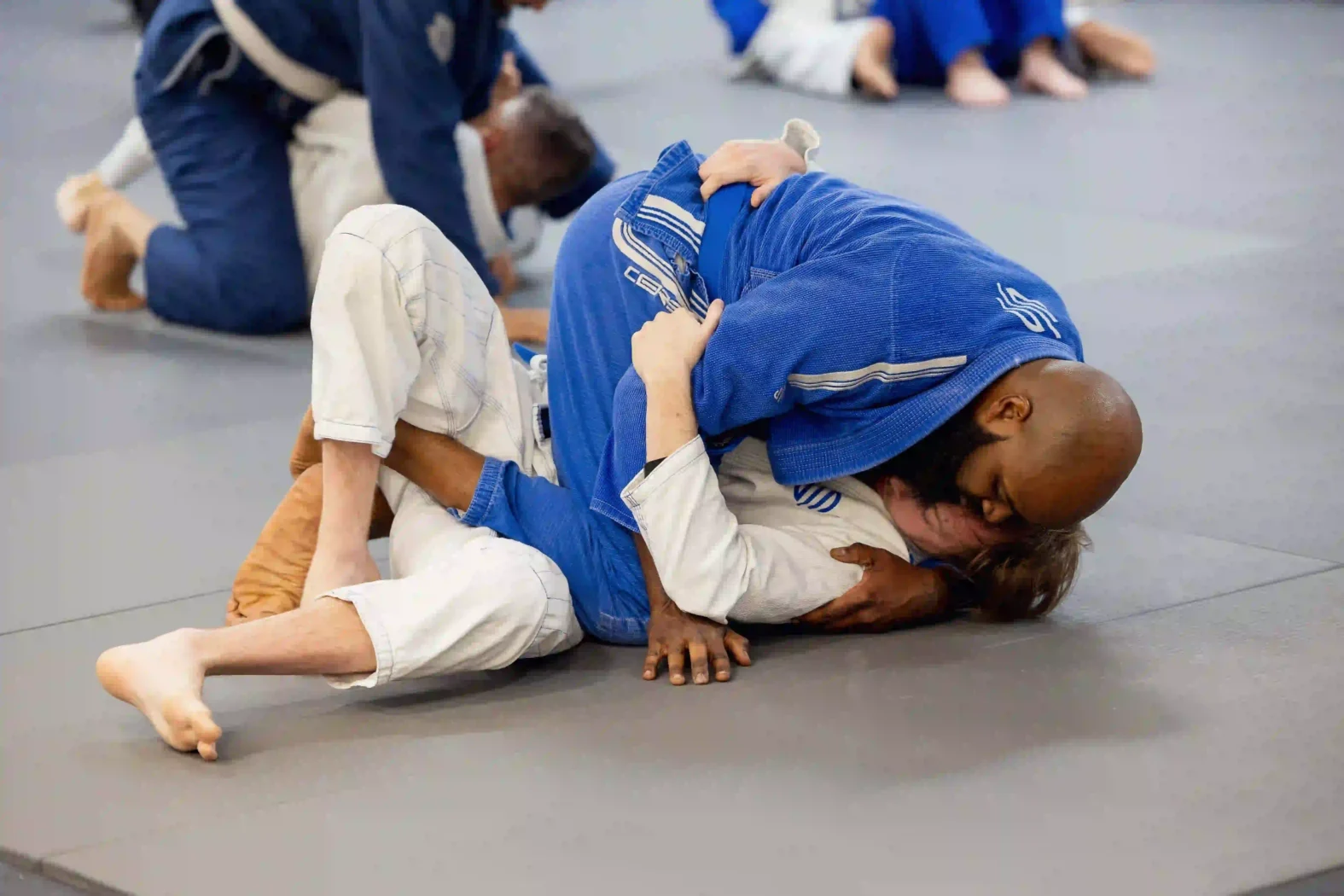
Practical Consolidation of Defensive Drills
Executing reliable BJJ side control escapes transforms a vulnerable bottom position into a temporary, manageable transitional phase. Regular drilling burns these crucial neuromuscular patterns deeply into your subconscious grappling reflexes.
As you continuously practice escaping, recognizing the microscopic shifts in your opponent’s weight distribution becomes entirely intuitive. These refined defensive instincts are universally applicable across all fundamental grappling scenarios imaginable.
DISCOVER Progresso Jiu Jitsu Plano
CLICK HEREFinal Thoughts on Defensive Mastery
Implementing reliable BJJ side control escapes is a transformative milestone that empowers every practitioner to face larger opponents confidently. Building an impregnable defense provides the peace of mind necessary to truly enjoy grappling.
Join our thriving community in Plano, TX, and build an unbreakable defensive foundation today.