
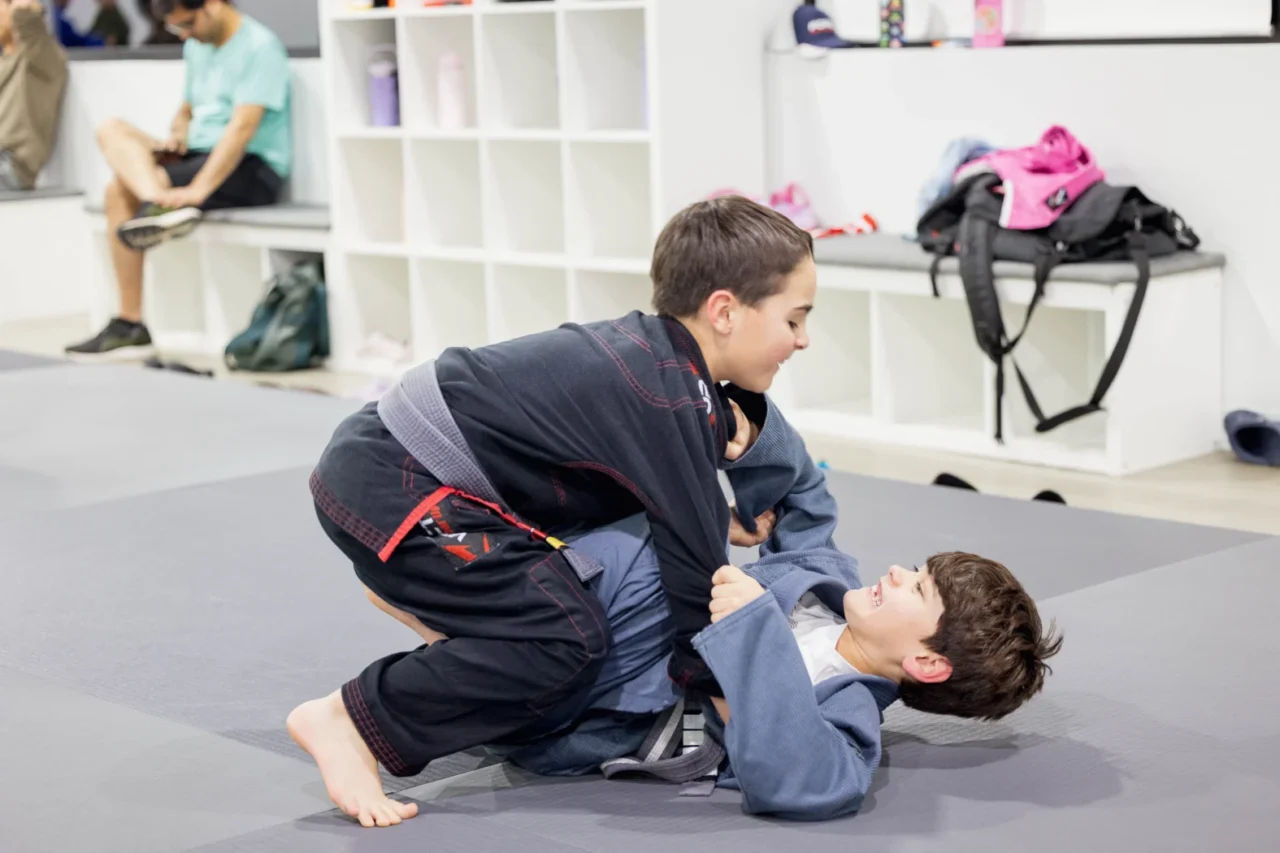
A New Activity Is a Big Step for a Child
Your child’s first weeks of jiu-jitsu bring an unfamiliar room, a new teacher, and children who may already know one another. As a parent, you want to know whether your child will feel welcome and want to return.
For families considering Progresso Jiu Jitsu Frisco, readiness, enjoyment, and trust in the instructor deserve attention from the start. Understanding the experience from your child’s point of view helps you decide whether the class is a good fit.
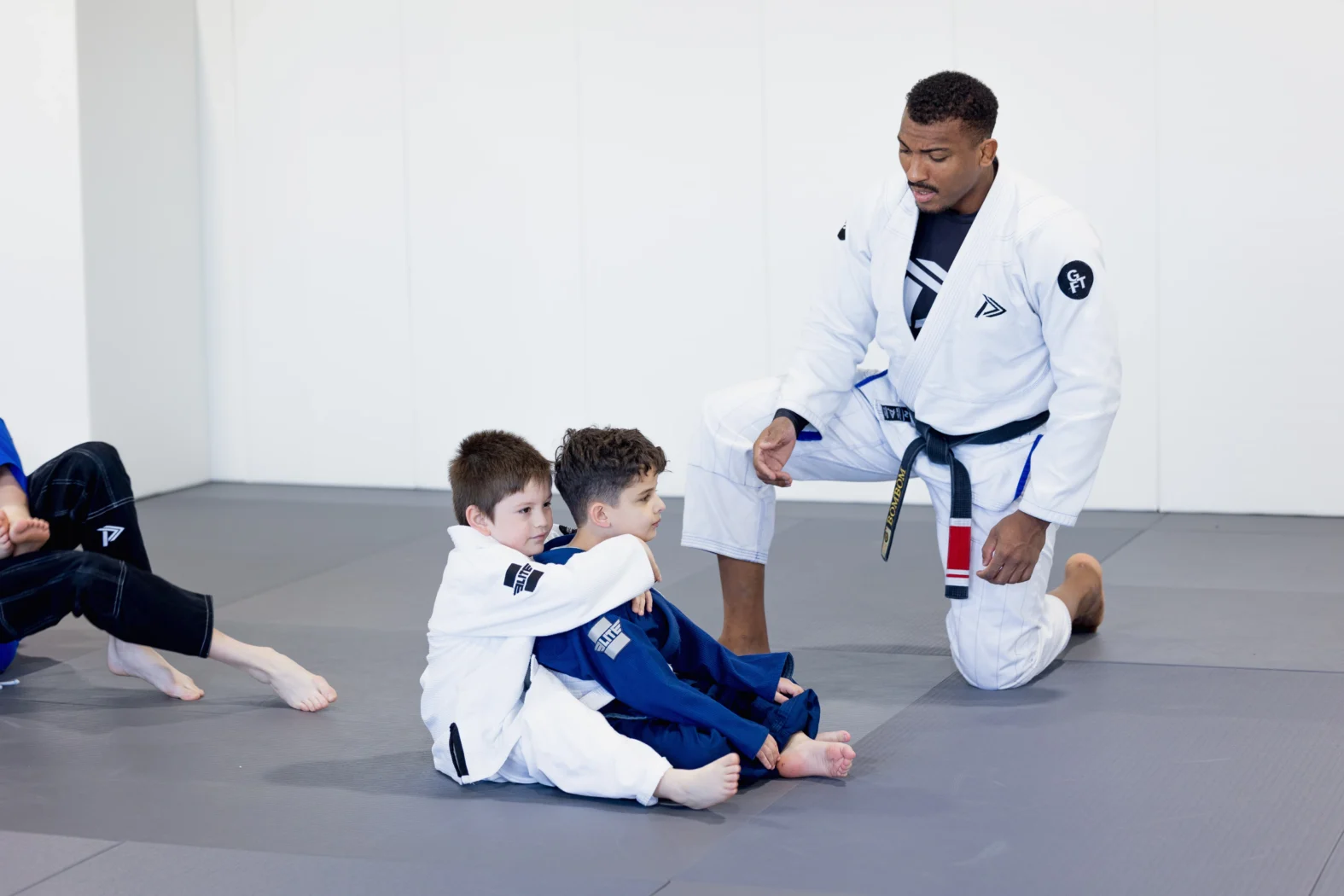
DISCOVER PROGRESSO JIU JITSU FRISCO
CLICK HEREPrepare for Your Child’s First Weeks of Jiu-Jitsu
A little preparation can answer the questions children actually have: who will be there, what they will do, and where their parent will be during class.
Explain the Visit in Familiar Terms
Tell your child they will meet a teacher, join other children, and try activities together. Avoid presenting the visit as a test of bravery or telling them they must show everyone how strong they are.
Ask what they want to know before arriving. A younger child may wonder whether you will stay nearby; an older child may worry about being the only beginner. Answer honestly, and confirm anything you do not yet know.
Choose a Group That Fits Their Stage
Children of different ages need different explanations, expectations, and amounts of help. When exploring children’s jiu-jitsu classes, discuss your child’s age, previous group activities, and comfort with following a teacher’s directions.
A child who already enjoys a school club may approach class differently from one entering a structured activity for the first time. Describe that experience when asking which session would be an appropriate place to begin.
Introduce the Child Behind the Enrollment Form
Share information that helps the instructor welcome your child. Perhaps they prefer watching before joining, find noisy rooms overwhelming, or become upset when they misunderstand a direction. Describe what you have observed without labeling their personality as a problem.
Explain what usually helps in a new setting. A brief introduction or a clear explanation of what happens next may be useful.
Make Arrival Less Rushed
Leave enough time after school for your child to arrive without a scramble. Confirm what to bring and where parents wait. A missing item or an uncertain goodbye can become the main event before class has even started.
Keep your expectations simple: meet the instructor, see the space, and understand the routine. You are learning how your child responds to the setting, without expecting a perfect first visit.
Understand What Settling In Can Look Like
Children show interest in different ways. Some volunteer immediately; others first learn the names, routines, and personalities around them.
Give a Quiet Child Room to Participate
A child who watches closely may be interested even while hesitating to join. Ask the instructor how newcomers are introduced and what participation is expected.
Notice small changes: answering the teacher, joining one activity, or stepping onto the mat without holding your hand. These are meaningful observations during your child’s first weeks of jiu-jitsu, even when another child appears more outgoing.
Look for Belonging Beyond Instant Friendships
Making friends does not always begin with conversation. Remembering another child’s name, taking turns together, or being greeted at the next class can give a newcomer a place in the group before a friendship develops.
Watch how children include one another and how the instructor responds when someone is left out. If your child repeatedly feels excluded, discuss the specific experience with the coach instead of assuming they simply need to become more sociable.
Respond to Frustration Without Making It a Verdict
Waiting for a turn, accepting a correction, or trying something unfamiliar can frustrate a child. After class, ask what happened and let them explain. “I was upset because I did not understand” calls for a different conversation from “I did not like my partner.”
Acknowledge the feeling before offering a solution. You can appreciate that your child tried again while still taking their difficulty seriously.
Help Your Child Build a Positive Routine
The experience continues after leaving the academy. Your questions, the family’s schedule, and the way you respond to reluctance all influence what the next visit means to your child.
Praise Effort Your Child Can Recognize
Be specific about something you noticed: “You asked for help when you were unsure,” or “You waited while your partner had a turn.”
Your child may be proud of remembering a teammate’s name rather than the moment you noticed. Let their own description show you what makes class rewarding.
Choose a Schedule That Works After School
Consider the whole afternoon: school pickup, travel, meals, homework, and bedtime. A convenient class time on paper may be difficult when your child arrives hungry or already has several activities competing for attention.
Agree on a manageable attendance routine with the academy. During your child’s first weeks of jiu-jitsu, familiar class days can make preparation easier for both you and your child.
Take Repeated Reluctance Seriously
If your child keeps resisting class, ask about a particular part of the experience. Getting changed, separating from a parent, joining a partner, and feeling left out are different concerns. Knowing which one is difficult helps you choose a useful next step.
Bring recurring concerns to the instructor and agree on what to observe next. Persistent distress or a report of hurtful treatment deserves attention. Do not dismiss it as ordinary nerves or make continuing at any cost the measure of success.
Have a Specific Conversation With the Coach
Compare the instructor’s observations with what your child tells you at home. Identify whether a recurring concern involves the group, the routine, or an unfamiliar activity before deciding what to change.
Some children may benefit from individual instruction and encouragement. Discuss whether it addresses your child’s particular concern before arranging extra lessons; additional coaching should have a clear purpose rather than become an automatic response to shyness.
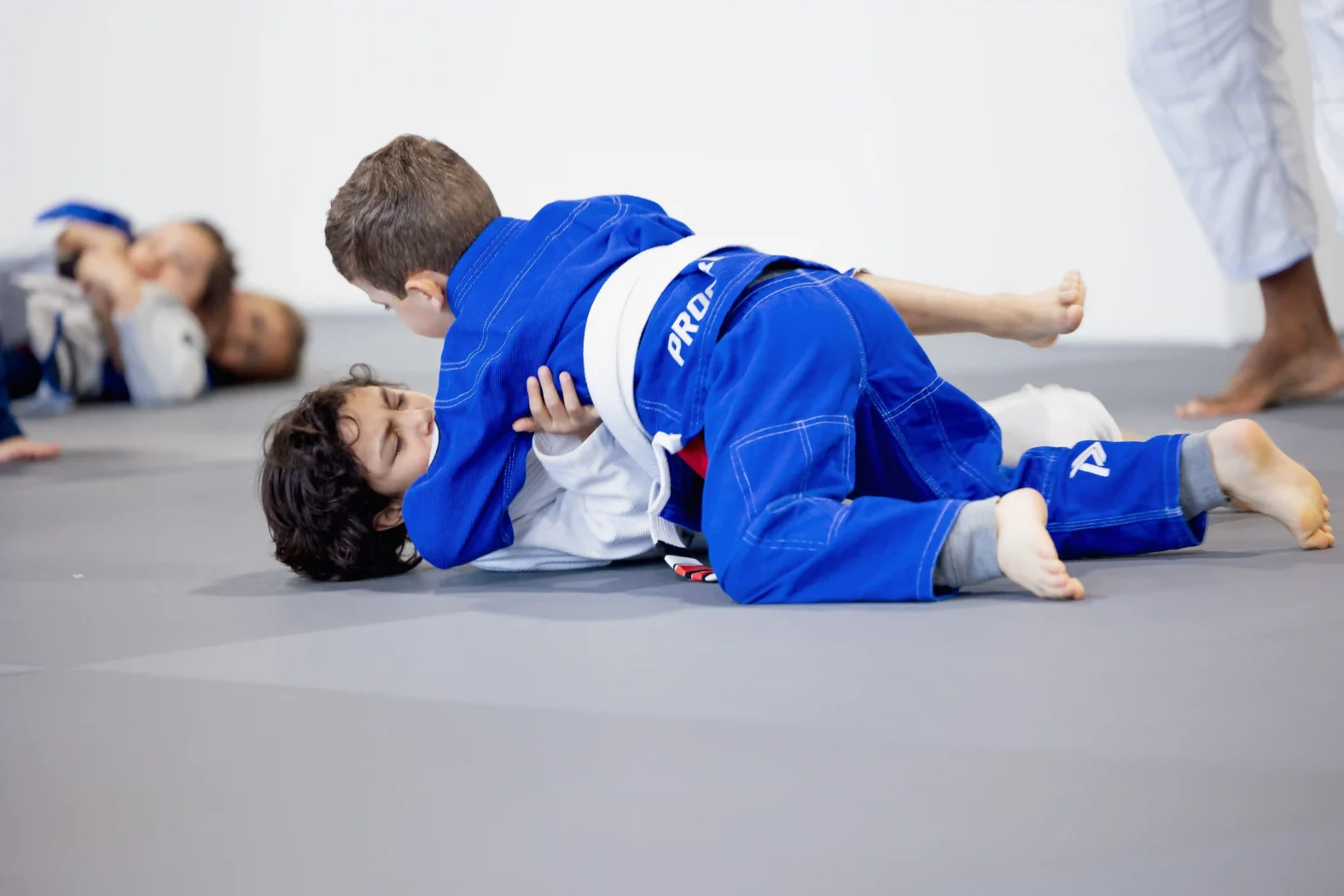
Recognize a Start Your Child Can Build On
Look for signs such as recognizing the instructor, knowing where to put their belongings, joining an activity with less prompting, or mentioning a classmate at home. These details can tell you more about adaptation than comparing how quickly children learn.
When you visit our Frisco academy, bring your questions about the class environment and your child’s needs. Use the conversation to decide what an appropriate introduction would look like for your family.
DISCOVER PROGRESSO JIU JITSU FRISCO
CLICK HEREChoose an Experience Your Child Can Grow Into
Your child’s first weeks of jiu-jitsu are an opportunity to discover how they respond to a new teacher, teammates, and a shared routine. Support that introduction with clear expectations, attentive listening, and room to adjust.
At Progresso Jiu Jitsu Frisco, talk with our team about getting started. The aim is to find a class experience that gives your child reasons to participate, feel included, and look forward to coming back.