
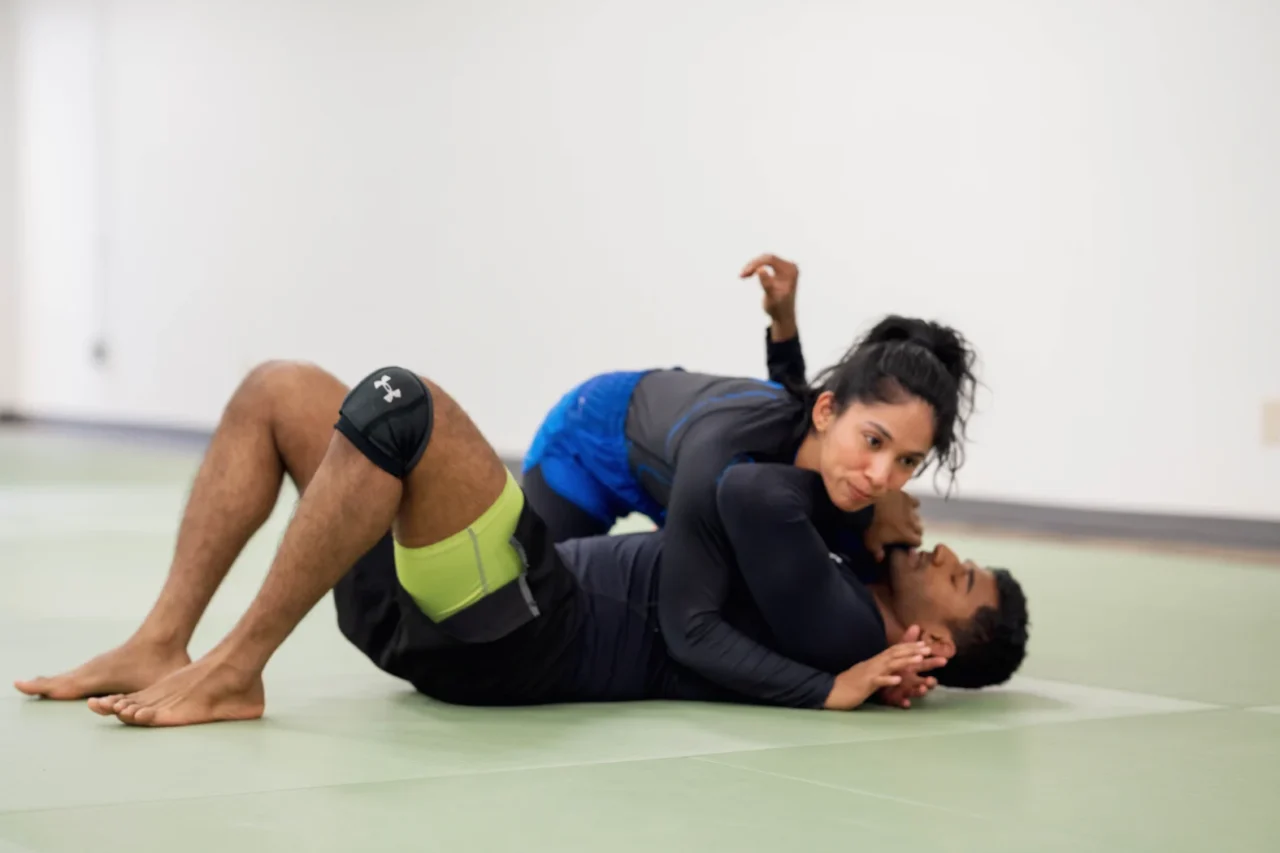
Gi or No-Gi: Understanding Your Training Options
If you are thinking about starting Brazilian Jiu-Jitsu, you may have noticed classes where students wear Gis and others where they wear rash guards and shorts. Both involve grappling, positional control, and partner practice. The main difference is how the clothing changes the grips and movements available to you.
For beginners in Richardson, choosing between Gi and No-Gi does not need to become a decision about which style is better. Understanding what changes, what stays the same, and what to ask before your first visit can help you find a suitable starting point.
DISCOVER PROGRESSO JIU JITSU RICHARDSON
CLICK HEREHow the Uniform Changes Your Training Options
A Gi consists of a jacket, pants, and belt. No-Gi training typically uses a rash guard with suitable shorts or other approved grappling clothing. Those differences are easy to see, but their effect on partner control is what makes the two formats feel different during practice.
Gi Grips and No-Gi Body Control
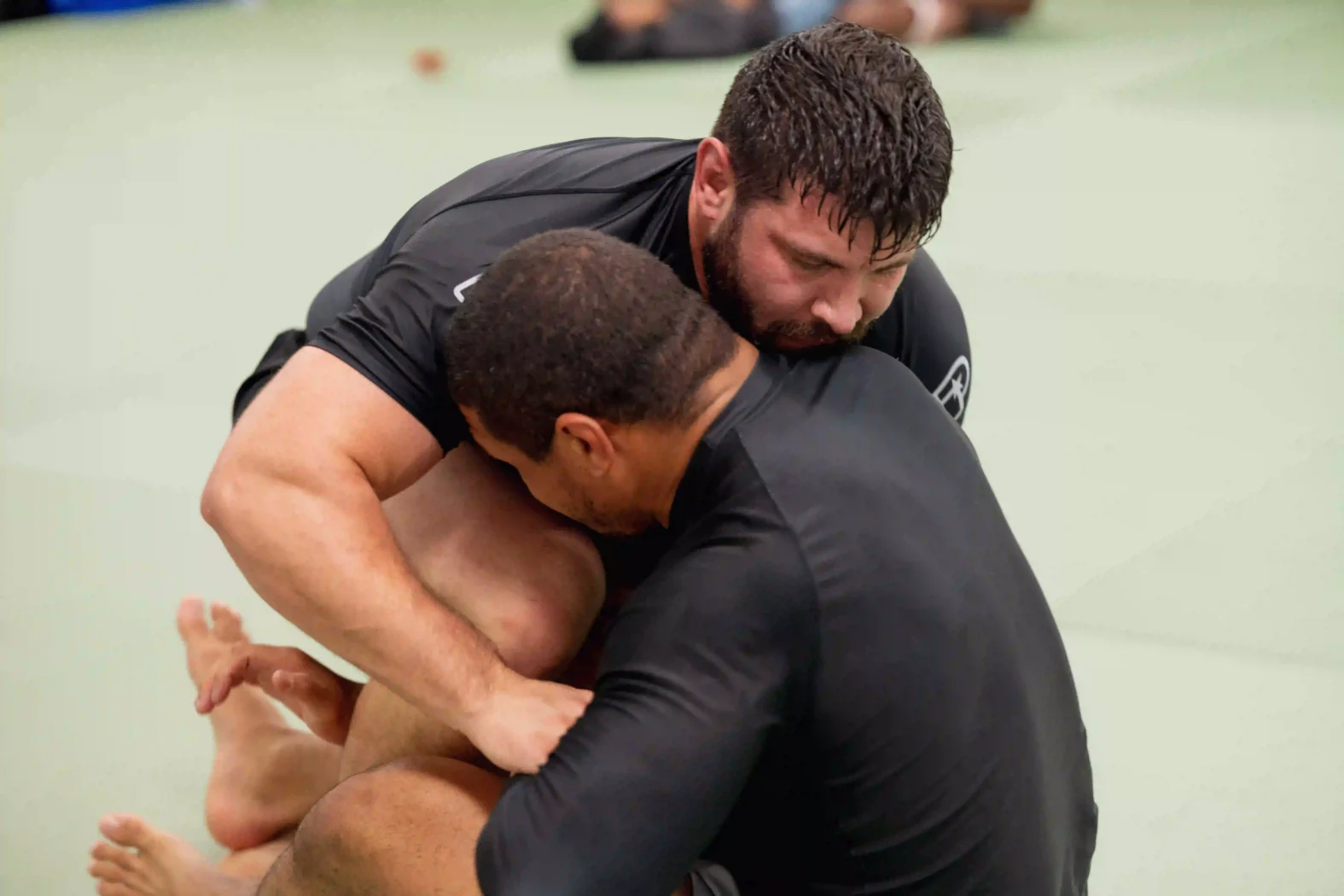
In Gi training, the jacket and pants provide grips that can help you control a partner’s movement. Sleeves and lapels become part of the technical problem you are learning to solve. You also need to recognize when your partner has established a grip that affects your own position.
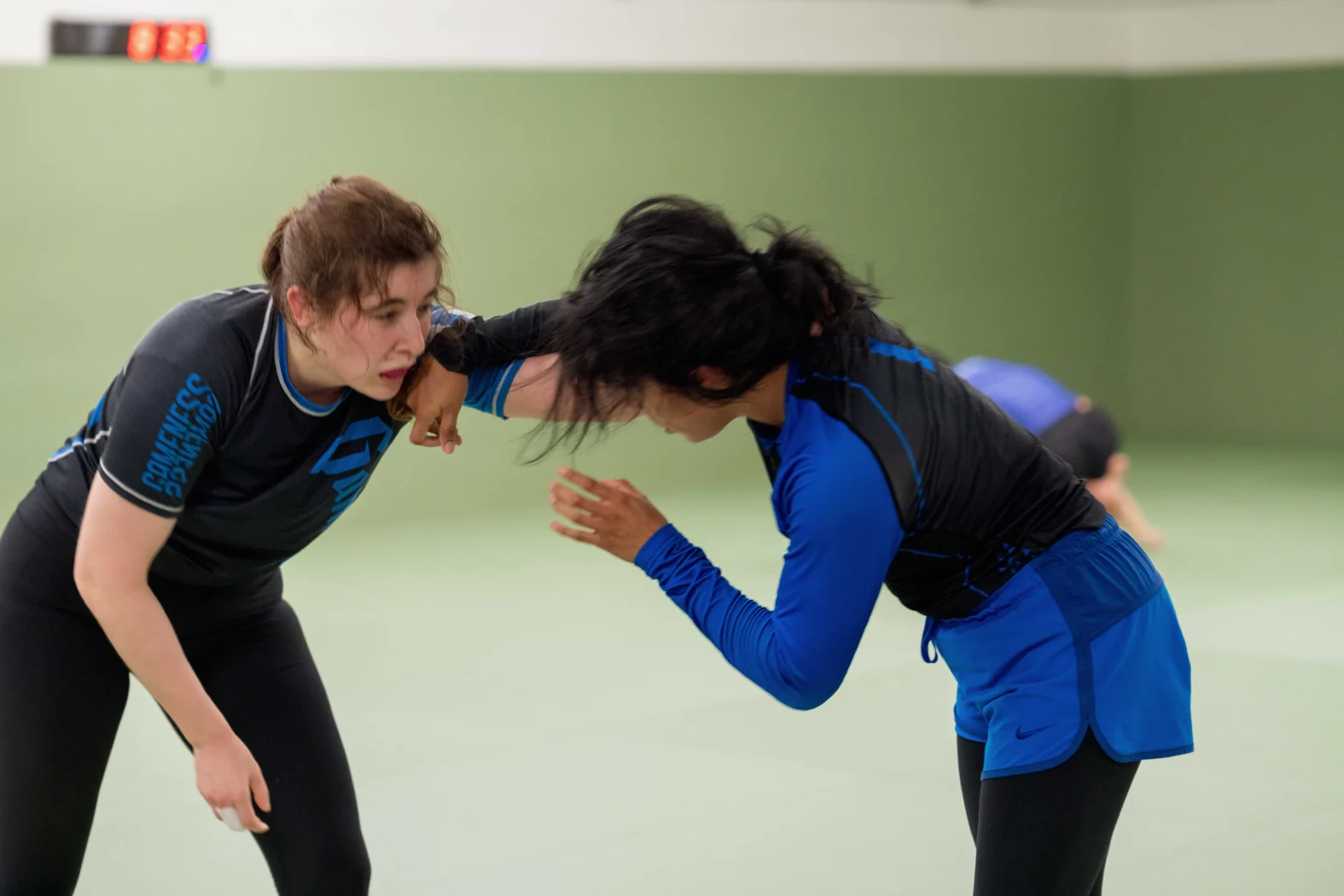
No-Gi removes those fabric handles from the exchange, so you work more directly with controls around the arms, upper body, and other positions taught in class. Clothing requirements also matter: review the academy’s policy before visiting, and check the IBJJF uniform requirements if you are preparing for one of its competitions.
Understanding Friction Without Assuming a Fixed Pace
Gi fabric creates contact and friction that can influence how a position feels. A grip on the jacket may give a partner time to stabilize, while clearing it can create an opportunity to move. These details are part of learning how to work with the uniform.
No-Gi can feel more slippery, particularly as a session progresses, which changes how you maintain contact. That does not mean every No-Gi round is fast or every Gi round is slow. The drill, the partners, and their goals all affect the pace.
Learning Escapes in Both Formats
In either format, understanding the position is a useful starting point for learning an escape. You need to recognize what is limiting your movement and follow the sequence your instructor is teaching. Repeating the drill with a cooperative partner gives you time to work through those details.
The Gi may add grips that need attention, while No-Gi changes the contact available to both partners. Neither makes an escape automatic. Learning the movement and recognizing when an adjustment is needed remain important in both settings.
Recognizing the Fundamentals That Stay the Same
Balance, posture, spacing, and awareness of your partner remain relevant with or without a Gi. You still need to understand where your weight is, which direction you can move, and what the current drill is asking you to accomplish.
As those ideas become familiar, you can begin to notice how a change in grip affects the same position. That makes the comparison more useful than simply labeling the formats as different sports. Many of the questions you learn to ask on the mats apply to both.
How Grips and Position Affect the Pace
A round can involve a quiet adjustment, a longer positional exchange, or a quick transition in either format. Gi and No-Gi offer different ways to establish control, but the intensity of practice also depends on the people involved and the instructions for the session.
Working Through Transitions with Control
When a position changes, your attention shifts to where you and your partner are moving. No-Gi exchanges may require you to reconnect a body control that has slipped. In the Gi, you may need to release or change a fabric grip before continuing.
For beginners, these transitions are something to learn gradually. Follow the pace of the drill and ask your partner to slow down if you need time to understand a movement. Moving quickly is not a substitute for knowing what you are practicing.
Maintaining Position as Your Partner Moves
A grip can support your position, but it does not do all the work for you. In Gi training, holding the jacket while losing balance can still leave you out of position. Learning to connect the grip with the rest of your movement is part of the practice.
In No-Gi, you make similar decisions about balance and contact without using the jacket. A partner’s movement may require an adjustment rather than a stronger hold. Both formats give you opportunities to notice when your position needs attention.
Managing Your Effort During Practice
It is common to use more effort than a drill requires when the movement is unfamiliar. You may hold every Gi grip tightly or try to keep constant tension in a No-Gi exchange. Recognizing that habit gives you something specific to discuss with your instructor.
Ask where control is needed and where you can ease your effort. The answer will depend on the position you are learning. There is no need to assume that one format always demands more conditioning or that you must already be highly athletic to begin.
Understanding Submissions and Training Rules
Both formats include submission techniques, but the options you practice depend on more than the uniform. Experience level, the purpose of the class, and the rules being followed all matter. Before trying an unfamiliar technique, ask your instructor whether it belongs in the current drill.
Why Leg Lock Rules Depend on the Division
Seeing a technique in a No-Gi match does not mean it is permitted in every No-Gi class or competition. Leg lock restrictions can differ by organizer, age group, experience or belt level, and format. A beginner should not use a professional match as a guide to what is allowed in class.
For an IBJJF event, consult the official rulebook and illegal-moves chart for your division. For everyday practice, follow your instructor’s guidance and the academy’s training rules. Confirm the permitted techniques before starting a round with a partner.
Clothing-Based Techniques and Shared Submission Families
The Gi adds techniques that use the collar or lapel, creating options that are not available without the jacket. Recognizing these grips is part of learning both offense and defense in that format. Beginners can explore them through the specific drills assigned in class.
Other submission families appear in both Gi and No-Gi, although the setup and controls may change. Neither format is defined by a single type of submission. What you learn should follow the lesson and your experience, with time to understand the position before adding more complexity.
Keeping Communication Part of Every Exchange
Learning submission techniques includes learning how to practice responsibly. Respect the tap, release promptly when a partner signals, and communicate if a position feels unclear or uncomfortable. These expectations apply regardless of what either person is wearing.
Before a round, agree on its purpose and pace. If you are new, say so and ask about anything you do not understand. Clear communication gives both partners a better starting point for working together.
Choosing a Starting Point That Fits Your Goals
If you are new to BJJ, start with practical questions. Which classes welcome beginners? What should you wear? How are partner drills introduced? Those answers can help you choose a first visit without feeling that you must commit to one format before trying a class.
Contact Progresso Jiu Jitsu Richardson to ask about current Gi and No-Gi class options and a suitable starting point for your experience. Explain whether you are interested in learning a new skill, joining regular classes, or eventually competing, so the team can address the questions that matter to you.
Learning from Both Gi and No-Gi Practice
If you have the opportunity to try both formats, notice how a familiar position changes when the jacket grips disappear. You may find a detail you had overlooked or a new question to bring to your instructor. Treat that comparison as part of learning, without expecting an immediate improvement in every movement.
You can also develop a preference. Enjoying Gi training, No-Gi training, or a mix of both is a reasonable outcome. Choose a routine that fits the classes available, your interests, and the time you can realistically commit.
DISCOVER PROGRESSO JIU JITSU RICHARDSON
CLICK HEREFinding Your Training Routine in Richardson
The difference between Gi and No-Gi BJJ begins with the uniform and extends to how you establish grips and maintain control. Both still ask you to learn positions, work with a partner, and pay attention to the details of a movement. Neither format needs to be treated as the only valid way to train.
If you are exploring BJJ in Richardson, ask about a beginner visit and the clothing required for that class. A first session can help turn an abstract comparison into a clearer sense of what you enjoy. You can build the rest of your training routine from there.