
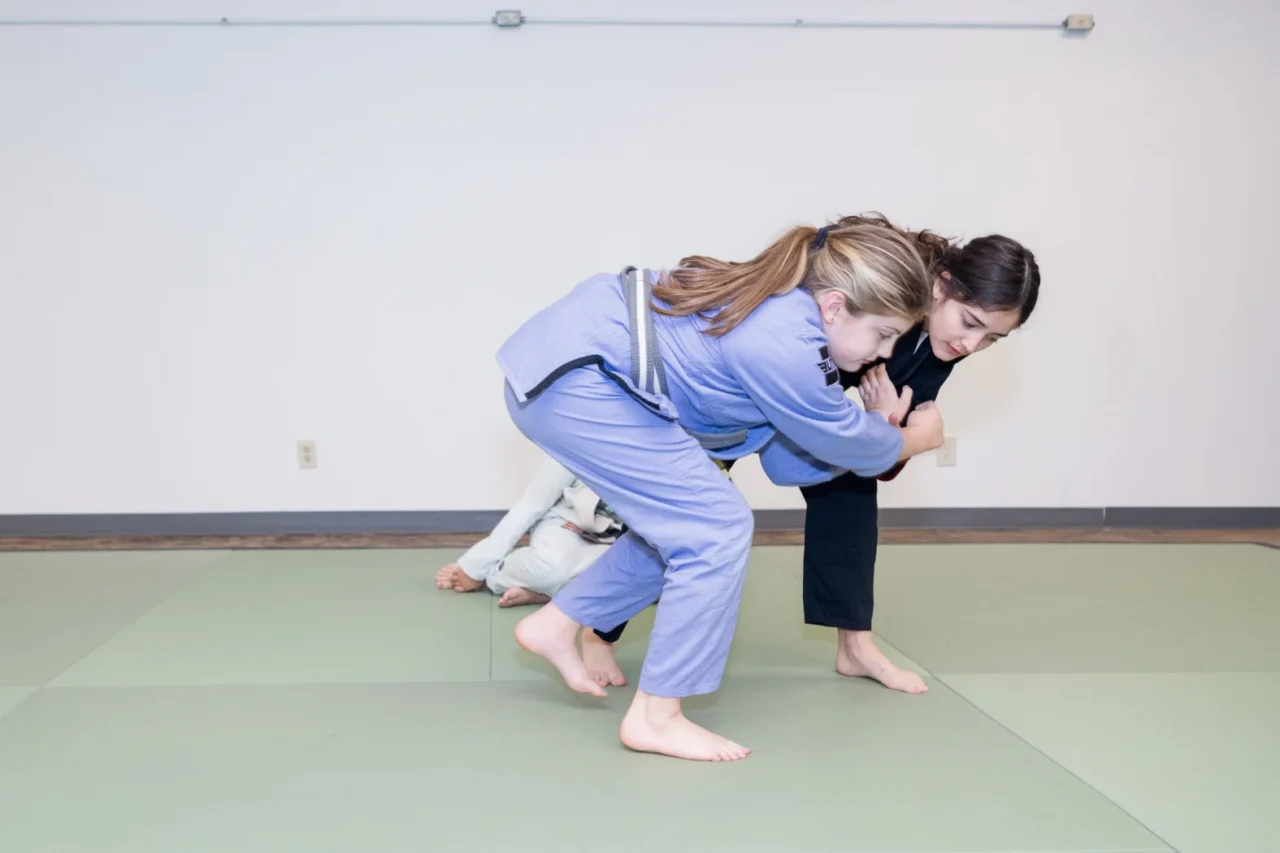
When a Frustrated Child in Jiu-Jitsu Needs Support
A frustrated child in Jiu-Jitsu may be reacting to one moment on the mat: a partner drill that felt confusing, a position that took several tries, or a game that moved faster than expected. Those moments are part of learning a skill with other children. When your child comes home upset, you can help them describe the specific part of class that was difficult and prepare for the next lesson.
At Progresso Jiu Jitsu Richardson, our kids Jiu-Jitsu classes are organized by age, with games for younger children. Students practice with partners, listen to demonstrations, and try new movements together. These three steps show how parents can respond to frustration while keeping the conversation connected to what their child is learning in Jiu-Jitsu.
MEET PROGRESSO JIU JITSU RICHARDSON
CONTACT US ABOUT A CLASS1. Find Out What Felt Difficult
“I couldn’t do it” tells you that something was hard, but it does not tell you which part. Ask whether your child felt confused during the instructor’s demonstration, lost track of the steps while practicing with a partner, or found it difficult to start again after a mistake. Naming the moment gives both of you a clearer picture than asking whether the entire class was good or bad.
Give your child time to answer. After a snack or some quiet time, try: “What were you practicing when it got frustrating?” You can listen without rushing to explain the move yourself. If the problem happened during partner practice, ask what each child was trying to do. If it happened during a game, ask which rule was confusing. Those details can become a useful question for the instructor at the next class.
A child who is still learning the class routine may also be getting used to changing partners, waiting for a demonstration, and following a group activity. Our guide to a child’s first weeks of Jiu-Jitsu explores that early adjustment. A question about one drill is easier to work through when you know whether the routine itself is still new.
2. Notice What Your Child Is Learning on the Mat
Children often measure a new Jiu-Jitsu movement by whether it worked immediately. Training offers more to notice. A child may remember where a drill starts, follow the demonstration more closely, ask a partner to reset, or try the same position again with a small adjustment. Those are visible parts of learning even before the movement feels familiar.
Talk about one specific attempt
After class, choose something you actually saw or your child described: “You asked the instructor to show that part again,” or “You and your partner kept practicing after the first try.” Then ask what they noticed on the next attempt. This gives the conversation a Jiu-Jitsu example your child can recognize, without turning the ride home into a review of every move.
Remember that partners learn together
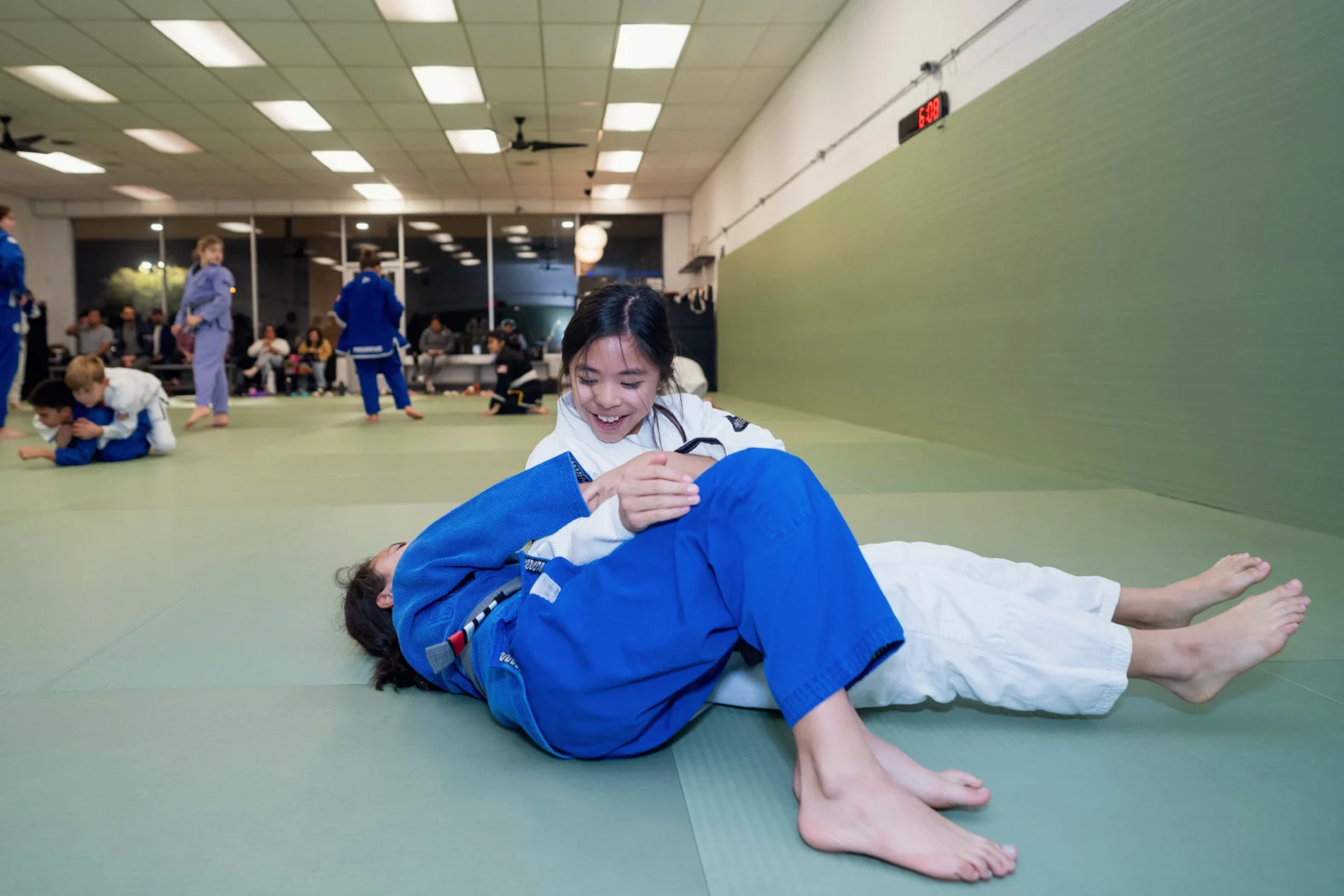
In a partner drill, one child practices while the other gives them a chance to try; then they switch roles. Waiting, resetting, and helping a partner understand the activity are meaningful parts of the class. Our Kids Jiu-Jitsu program uses games and partner activities for younger students. Ask your child who they practiced with and what they worked on together. A classmate can become someone who helps them improve, rather than someone to compare themselves against.
3. Share the Pattern With the Instructor
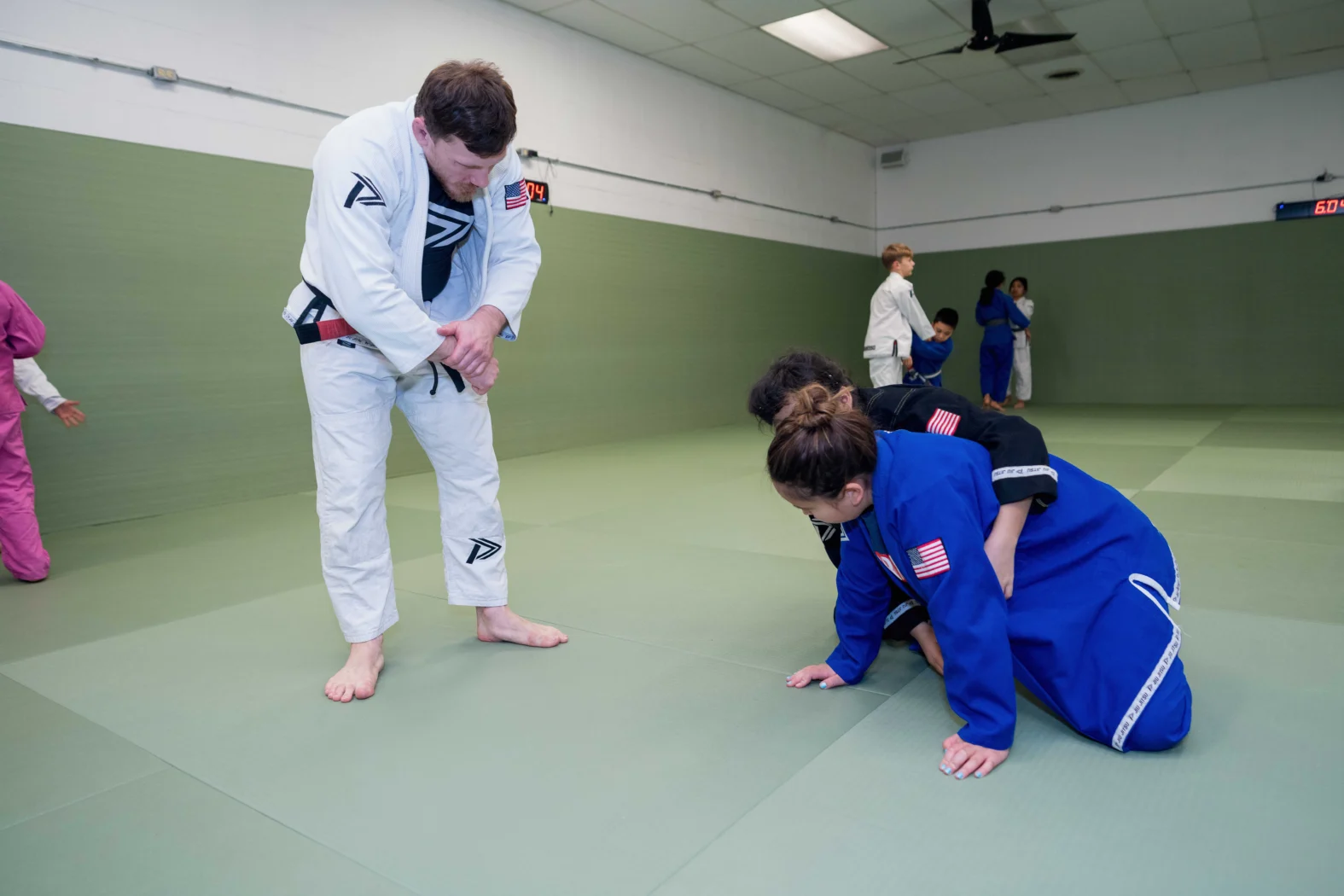
If the same Jiu-Jitsu drill causes frustration over several classes, share the detail with us. “They understand the demonstration but forget the first step when partner practice starts” gives an instructor something specific to look for. The instructor can watch the next attempt, repeat a key part of the demonstration, or help the pair understand what they are practicing.
Give your child one simple job for the next class: ask a question before the drill begins, listen for the first step, or tell the instructor when they get lost. A small goal makes it easier to return to the mat with a plan. If the concern involves how partners interact, tell the instructor what happened so the children can be guided through the activity with clear expectations.
At Progresso Jiu Jitsu Richardson, we want parents to tell us what their children are experiencing in class. You can use our Richardson class information to contact us and speak about a specific lesson or kids session. That conversation helps us focus on the part of Jiu-Jitsu your child is working through.
A Small Plan for the Next Jiu-Jitsu Class
Before the next visit, help your child choose one part of the lesson to pay attention to. It could be the first step in a demonstration or the moment a partner drill begins. Keep that goal short enough to remember when the class becomes active. A child can take part in the lesson without having to get the whole movement right at once.
In class, a partner drill gives children more than one opportunity to work on the same idea. They can take turns, reset, and try again after watching a classmate. The next attempt may feel different simply because the starting point is more familiar. That is a useful experience to notice even when the movement still takes practice.
Keep the Conversation Close to the Mat
To support your child after class, ask what they practiced, which part took another try, and what they want to ask the instructor. Each answer has a clear place in the next Jiu-Jitsu lesson. Your child can bring a question back to the mat, practice again with a partner, and notice whether the second attempt feels different.
Frustration becomes easier to discuss when it is tied to a real moment: the start of a drill, a partner exchange, or a game they did not yet understand. You do not need to provide the technical answer at home. Listen, help your child remember the question, and let the next class give them another chance to learn it with their instructor and classmates.
TALK WITH PROGRESSO JIU JITSU RICHARDSON
CONTACT US ABOUT A CLASSHelp Your Child Take the Next Step
A frustrated child in Jiu-Jitsu can learn to name a difficult movement, ask for help, and try again with a partner. Those moments are part of growing comfortable on the mat. At Progresso Jiu Jitsu Richardson, we can help your child carry that question into the next class. Contact us to talk about what your child is practicing and meet our team.