
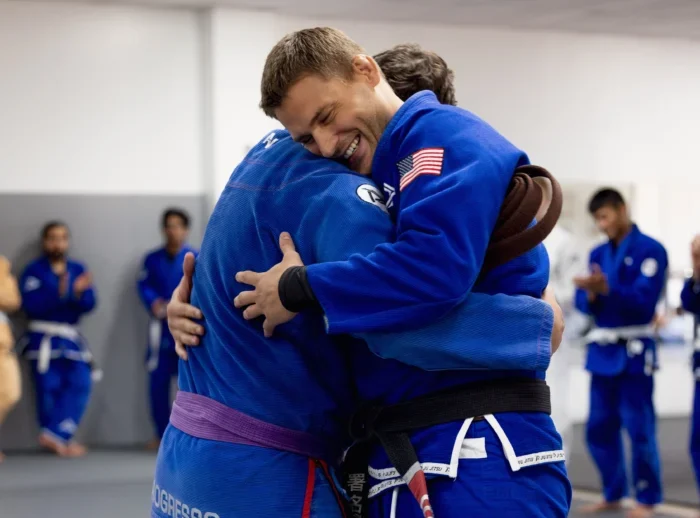
Self-Esteem Grows Through Experiences You Can Feel
Self-esteem is not built by repeating that you should feel confident. It grows through experiences that help you trust your choices, recognize your effort, and feel more at ease around other people. Jiu-Jitsu can offer those experiences over time, one class at a time.
You do not need to be naturally athletic or arrive with confidence already in place. At Progresso Jiu Jitsu Plano, adults and children can find beginner-friendly classes, and every student starts with their own reasons for trying Jiu-Jitsu. Here are seven ways regular practice may support a healthier view of yourself.
Discover Progresso Jiu Jitsu Plano
LEARN MORESmall Changes Can Shift How You See Yourself
1. You notice progress that once felt out of reach
When you are new, remembering names, following a class, and feeling comfortable on the mat can all take effort. Later, familiar routines begin to feel less overwhelming. That change is easy to dismiss because it happens gradually, but it is evidence that you can learn and adapt.
Progress does not have to mean winning a match or mastering a difficult move. Showing up again after a tiring day, asking a question, or feeling more settled in class can be a meaningful step. A realistic picture of what to expect in your first BJJ class can also make the beginning feel less intimidating.
2. You practice staying with a challenge
Some days feel smooth; others leave you unsure. Jiu-Jitsu gives you a chance to meet that discomfort in a structured class, take a breath, listen, and try again. Over time, you may become less likely to read one difficult moment as proof that you cannot do something.
This outlook is useful beyond training. A hard class does not define your ability, and neither does one awkward conversation or one mistake at work. You can have a tough moment and still keep learning.
3. You become more comfortable being a beginner
Starting something new can make anyone feel exposed. Everyone else may seem to know where to stand or what to do. With practice, you learn that not knowing yet is a normal part of learning, rather than a reason to feel embarrassed.
That shift can make it easier to try unfamiliar things elsewhere, too. If you are weighing whether to start, read the academy’s friendly guide to beginning Jiu-Jitsu for a clearer sense of the first steps.
4. You build trust in your ability to make choices
As you gain experience, you start recognizing what helps you feel prepared: arriving with enough time, asking for clarification, choosing a sustainable schedule, or telling a partner when you need a pause. These small decisions reinforce that you can speak up and take part in your own learning.
That matters because self-esteem includes taking your own needs seriously. You are allowed to learn at a pace that works for you, take a break when you need one, and ask for information before making a decision. A good activity should leave room for those choices. You can enjoy the challenge while still respecting your limits, and you do not need to copy someone else’s goals to belong in the room.
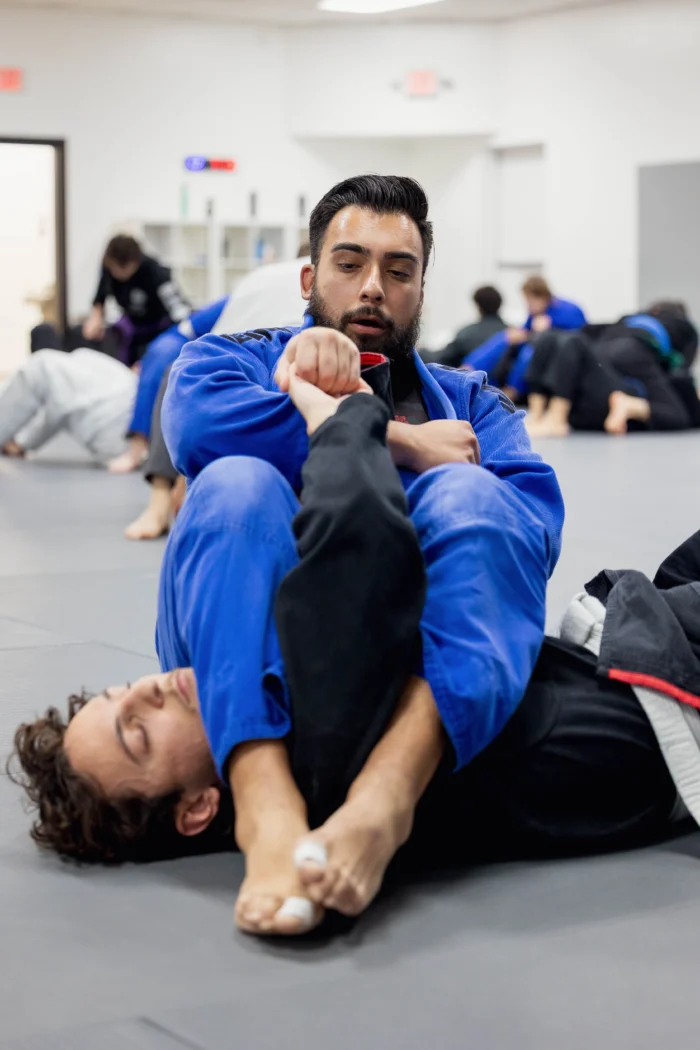
Confidence Can Grow Through People and Routine
5. You get to know people through a shared activity
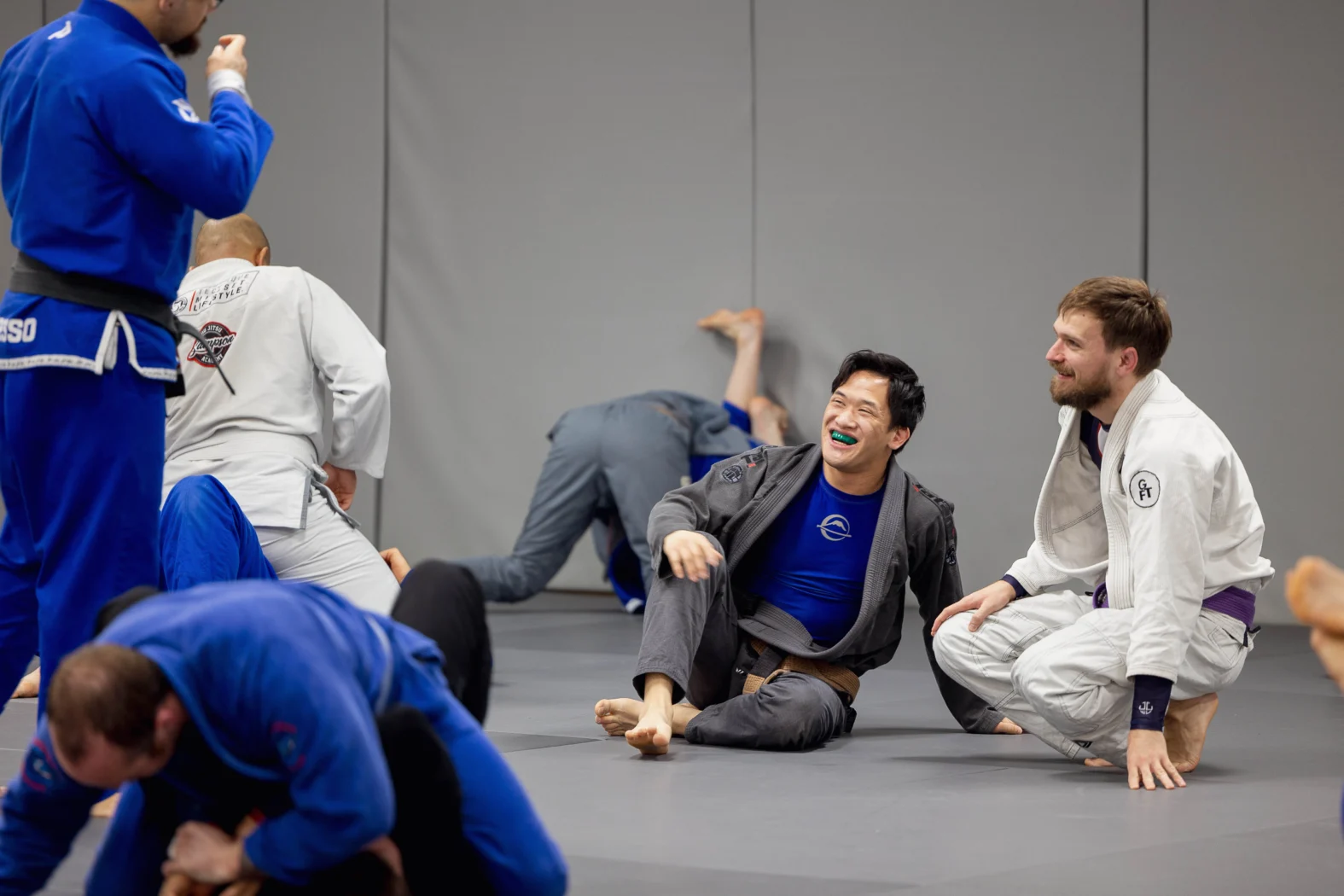
Jiu-Jitsu classes bring people together around a common interest. A greeting, a familiar training partner, or a supportive exchange after class can make a new place feel more welcoming. Belonging does not have to arrive all at once; it often grows through repeated, ordinary moments.
Our free trial information explains how to take a first look at training and find a starting point that fits your interests.
6. You recognize effort instead of waiting for perfection
Self-esteem can suffer when you only give yourself credit for flawless results. Training offers a different measure: Did you make the effort to come? Did you listen, participate, or try again after getting confused? Those actions matter even when the class was challenging.
This is not about pretending every day feels great. It is about giving yourself a fair account of what you did, including the parts that took courage.
7. You create a routine that reflects your priorities
Making space for an activity you value can strengthen the sense that your time and wellbeing matter. That routine should be realistic. One class that fits your week is more useful than an ambitious plan that leaves you discouraged. Adults over 40 who are curious about starting can explore the blog’s perspective on beginning Jiu-Jitsu later in life.
Consistency is easier to sustain when the activity feels worthwhile, so pay attention to what makes you want to return. It may be the chance to move, the satisfaction of learning something unfamiliar, or simply having a regular hour away from other demands. Let that be enough. You do not have to turn every interest into a major personal transformation for it to add value to your week.
A Positive Change Does Not Have to Be Dramatic
Jiu-Jitsu is not a quick fix for low self-esteem, and people respond to new activities in different ways. But learning at your own pace, noticing small steps, and sharing a welcoming environment can give you real reasons to feel more capable and connected.
Explore Progresso Jiu Jitsu Plano
VIEW THE ACADEMYProgresso Jiu Jitsu Plano offers Brazilian Jiu-Jitsu programs for adults and children, and you can see our beginner options on this page. You do not have to know how confident you will feel before you begin. You can start curious, take one class at a time, and see what the experience means to you.