
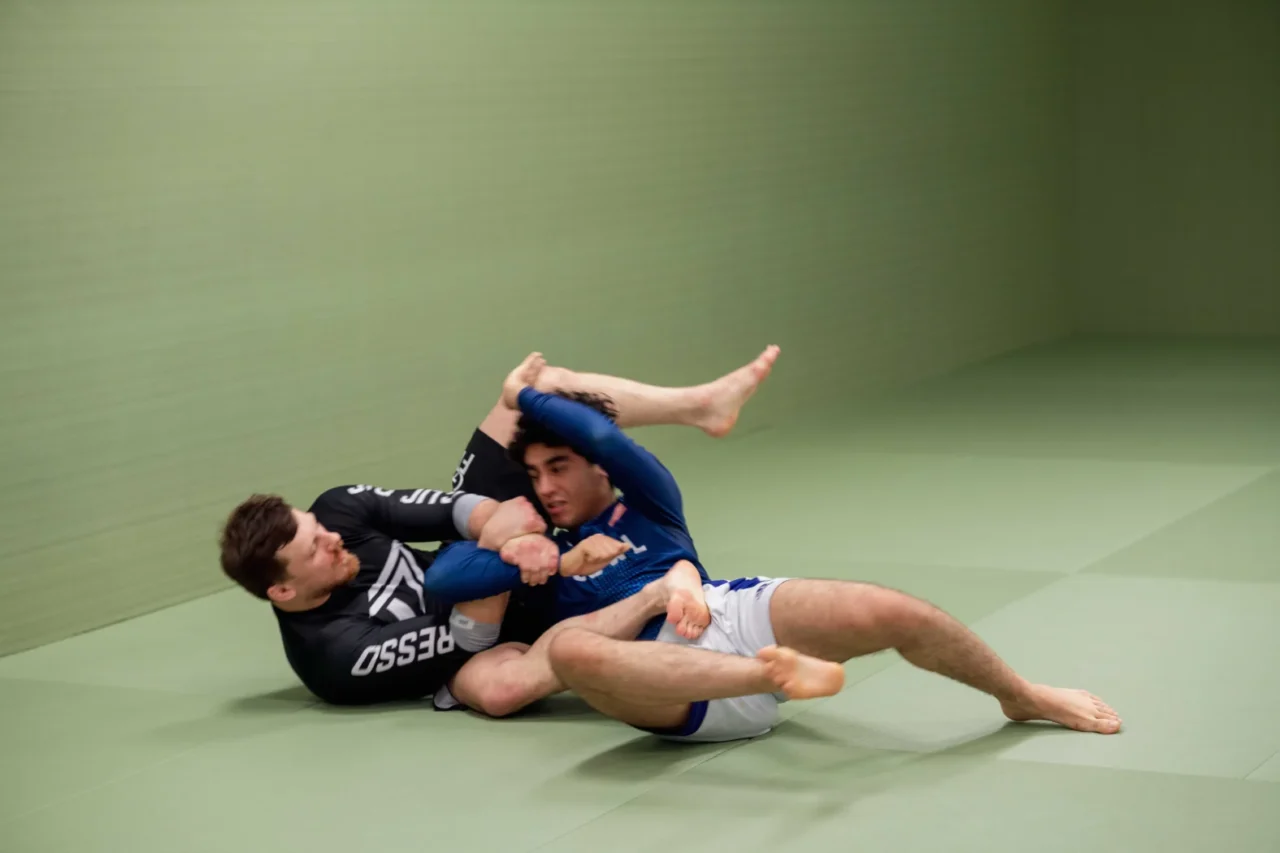
Better Practice Starts with the Person Beside You
Knowing how to be a good BJJ training partner starts with understanding what each repetition requires. Adults learning Brazilian Jiu-Jitsu in Richardson can contribute immediately by providing a consistent setup and an attentive response.
During drills, your partner depends on you to reproduce the demonstrated situation. During active practice, they depend on you to honor the agreed pace and boundaries. Both responsibilities matter as much as taking your own turn.
DISCOVER Progresso Jiu Jitsu Richardson
CLICK HEREHow to Be a Good BJJ Training Partner During Drills
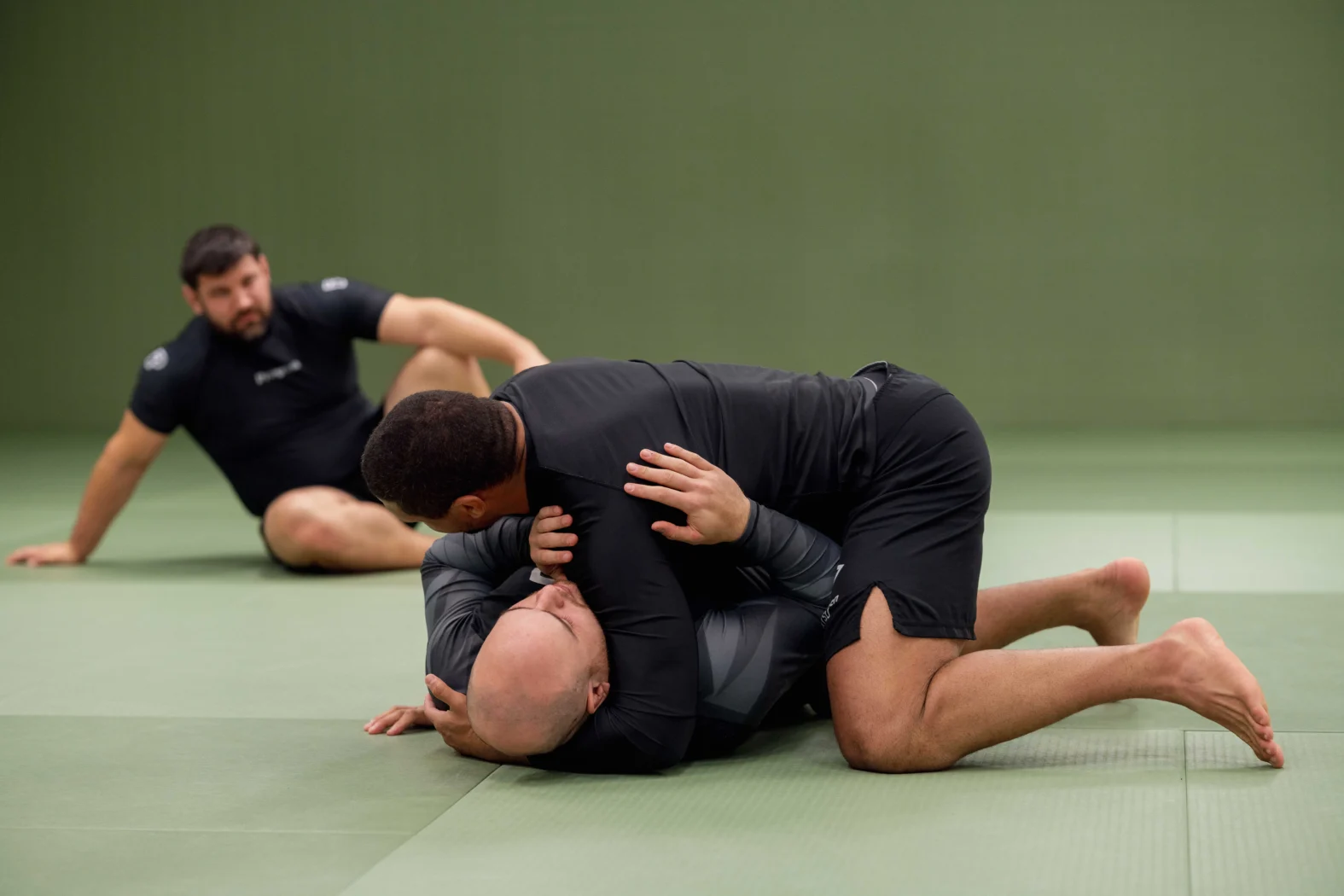
The person practicing a technique is only half of the exercise. The receiving partner supplies the posture, movement, and reactions that make the lesson possible.
Understand Both Roles
Watch the receiving partner during the demonstration, including their hand placement and reactions. If the lesson requires stepping forward or holding position, remember that action alongside the technique itself.
Check which person moves first. When receiving the technique, stay engaged throughout the sequence; going limp or anticipating every step can remove the problem your partner is supposed to solve.
Offer a Consistent Starting Position
Repeat the demonstrated starting position closely enough that your partner can compare attempts. Changing the distance, grip, or body angle between repetitions introduces another variable before either person has understood the previous one.
When practicing closed guard posture control, begin with the posture shown in class. If a correction changes the setup, repeat that adjustment consistently so its effect becomes easier to recognize.
Match the Requested Resistance
Resistance should match the assignment. A cooperative repetition gives someone time to learn a sequence; a drill with a prescribed defense lets them practice responding to a particular obstacle. Full sparring asks a different question.
When supplying light resistance, avoid suddenly bracing against the entire movement. Likewise, do not move into the finishing position for your partner. Give the requested response, then let them complete their own work.
Share Time and Reset Carefully
Follow the instructor’s count or timing for changing roles. Without a stated count, agree on a short exchange before starting. Taking turns predictably prevents one person from becoming a demonstration partner for the entire practice period.
Rebuild the position between repetitions and check nearby pairs before moving. Stop to create space when necessary. A rushed reset can leave your partner reacting to your movement before the next attempt has begun.
Make Communication Part of the Practice
Useful communication is specific and timely. A short question before a drill or a clear request during it gives your partner something they can act on.
Discuss the Goal Before Starting
Learning how to be a good BJJ training partner includes knowing what completes a repetition. The endpoint might be recovering guard, establishing a position, or reaching a point the instructor wants both partners to examine.
For side control escape practice, establish the finish before beginning. Otherwise, one partner may prepare to reset while the other continues defending. Naming that endpoint keeps the exercise coordinated.
Respect a Stop Immediately
A physical tap, verbal tap, or request to stop ends the action immediately. Release the hold or pressure and give your partner room. Do not finish the technique, test whether they meant it, or require an explanation first.
Make your own requests equally clear. Say “stop” when you need the action to end and “slower” when you want a pace adjustment. If you cannot tell whether your partner signaled, stop and check before continuing.
Give Observations Without Taking Over
Describe what you felt or saw: “My arm was free before you moved” identifies a moment your partner can examine. Avoid labeling the entire technique as wrong when you can name one useful detail.
Ask whether your partner wants the observation, then leave room for another attempt. When both of you are uncertain, bring the instructor one focused question and demonstrate the point of confusion instead of proposing competing versions of the lesson.
Carry Cooperative Habits into More Active Practice
Keep the assigned problem central. If a round is limited to passing and retaining guard, moving into an unrelated attack changes the task for both people and reduces practice on the intended skill.
Keep Positional Rounds on Task
During guard retention practice, follow the instructor’s conditions for a pass, recovery, or restart. Reset promptly when that condition occurs rather than extending the exchange to settle who ultimately wins.
Switching top and bottom roles lets both people experience the same problem. Keep the same rules when your turn changes, including where you begin and which actions are available to each person.
Adjust When Your Partner Asks
A request for a lower pace calls for a visible change in how you move. Reduce the speed of transitions and avoid sudden bursts that defeat the agreement. Check that the adjustment fits what your partner asked for.
Do not infer someone’s preferred intensity from their size, age, or experience. A familiar partner may want a different kind of round today. If your goals are incompatible, ask the instructor to help arrange a more suitable pairing.
Recognize Progress Beyond the Result
Judge a focused round by the task you practiced. You might notice that your partner held the starting position consistently, that you recognized the reset sooner, or that a correction remained usable once resistance was introduced.
An unsuccessful escape can still reveal where the movement breaks down. Treat that information as a reason to revisit the difficult step, rather than speeding through another attempt just to finish the sequence.
Let the Instructor Set the Boundaries
The instructor determines which techniques and levels of resistance belong in the session. Before adding an unfamiliar movement, confirm that it is appropriate for the exercise and both participants. A partner’s willingness does not replace those class boundaries.
Progresso Jiu Jitsu Richardson offers adult Brazilian Jiu-Jitsu in Gi and No-Gi formats. Whichever session you attend, listen for the rules of the drill and clarify how each person should participate before beginning.
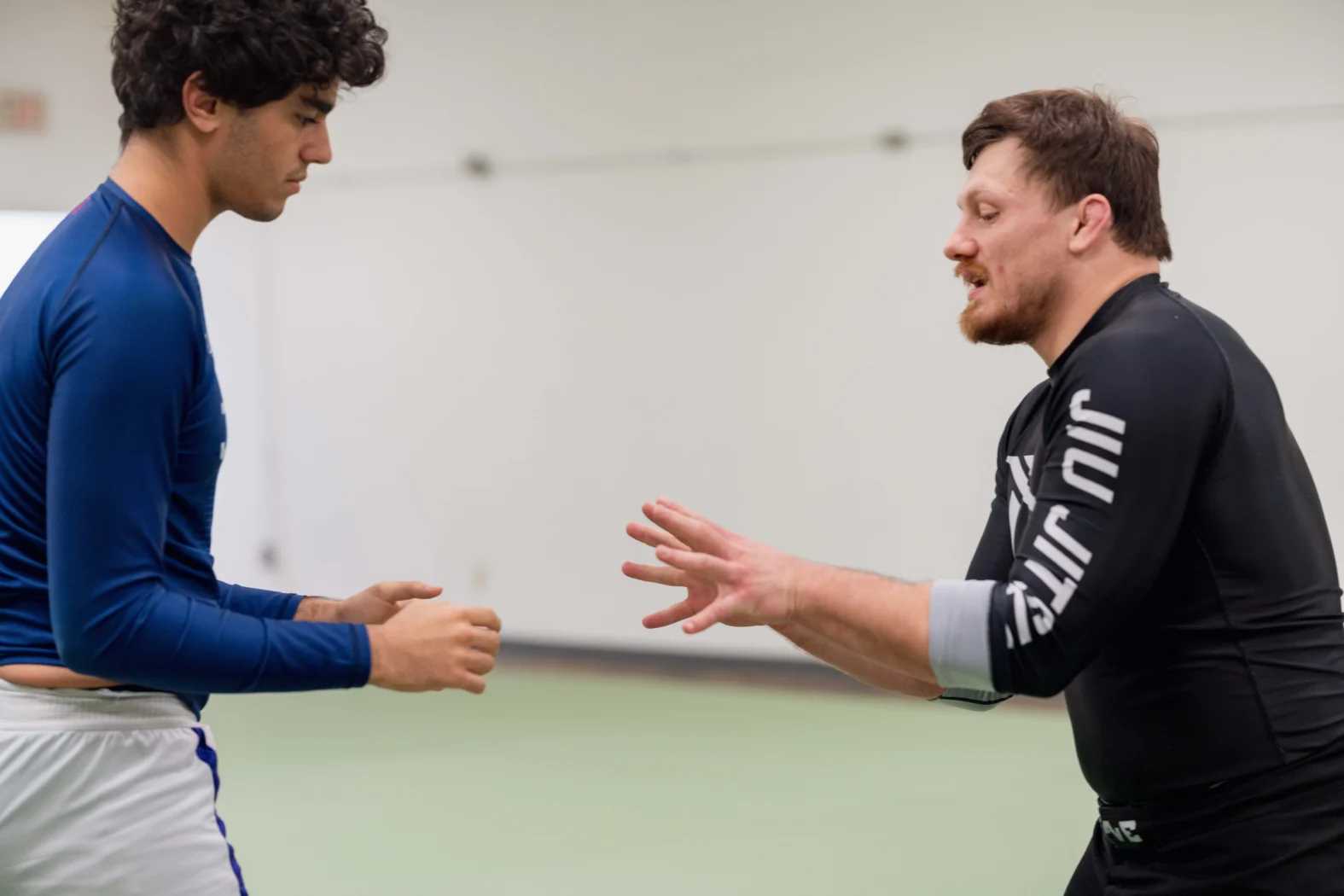
Choose One Habit for Your Next Class
Choose a habit you can observe: keeping the starting position consistent, switching roles on time, or responding promptly to a pace request. Use it throughout the class rather than changing your approach with every partner.
At the end of the session, consider its effect. Did you spend less time rebuilding an unclear setup? Did both people receive enough attempts? Those concrete answers help you decide what to keep working on next time.
DISCOVER Progresso Jiu Jitsu Richardson
CLICK HEREMake Every Partnership a Chance to Learn
Understanding how to be a good BJJ training partner means making your actions dependable. Provide the assigned response, honor the boundaries of the exercise, and give your partner the same attention you expect during your turn.
For adults training in Richardson, these habits make partner practice more purposeful. You do not have to supply every technical answer; you do need to stay attentive to the person working through the lesson with you.