

When a Technique Makes Sense in Class but Disappears Later
A movement can feel familiar during class and be difficult to reconstruct the next morning. Learning to remember BJJ techniques requires more than recognizing a demonstration: you need to connect the position, the purpose, and the order of the actions.
For adults training in Plano, a manageable routine starts with the lesson already being taught. Observe its structure, make a brief record afterward, and test what you can recall before the next class.
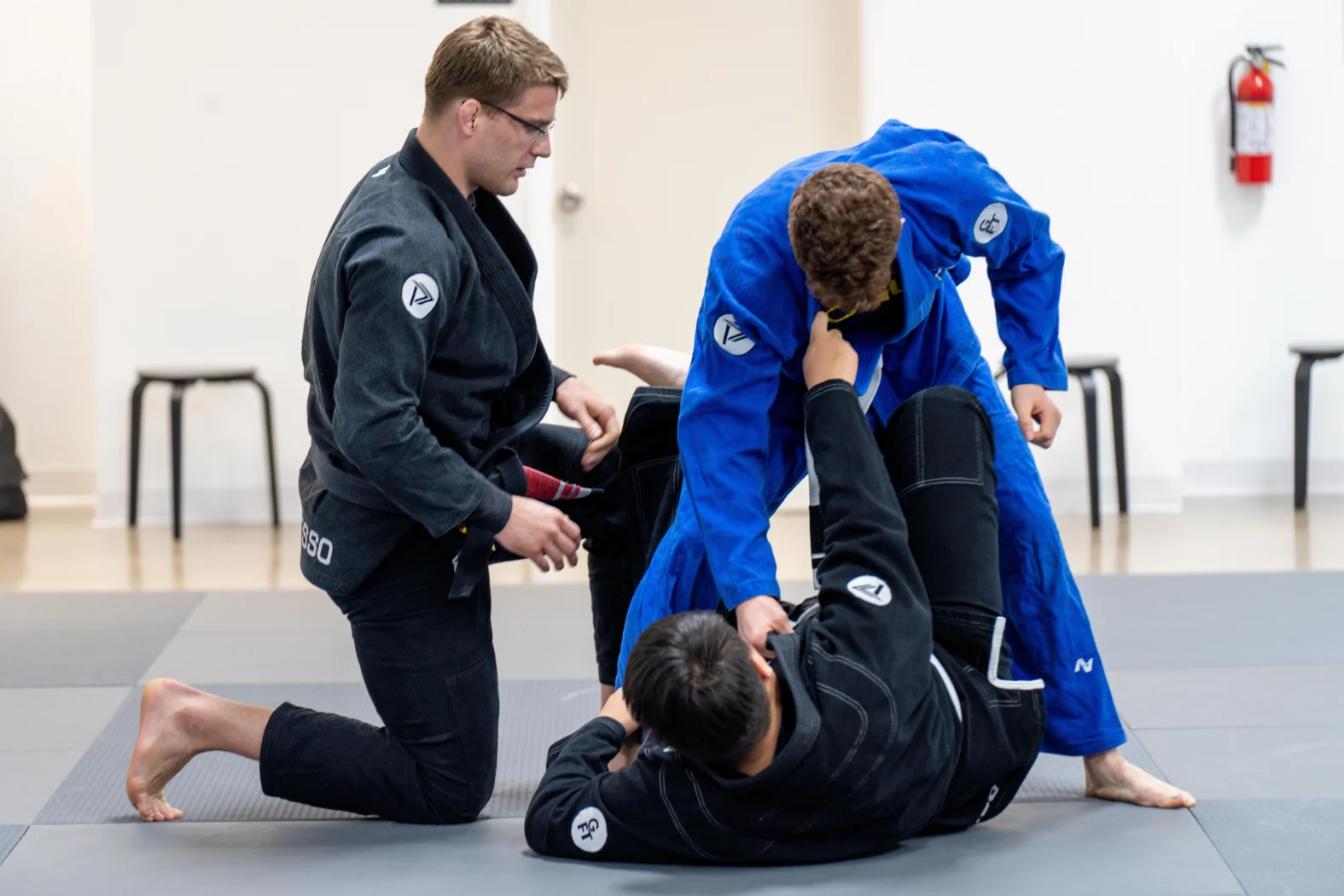
DISCOVER PROGRESSO JIU JITSU PLANO
CLICK HEREGive Each Technique a Clear Starting Point
Treat each technique as a response to a particular situation. Establish that situation first, then follow how the movement changes it.
Identify the Position Before the Movement
Identify who is on top, where each person’s legs are, and which grips are already in place.
With side control escapes, for example, begin by recognizing the top partner’s position across the torso. Add the starting arm placement shown in class. That description provides a clearer reference than the name of the escape alone.
Name the Problem You Are Solving
State the immediate objective in one sentence. You may be creating space for a knee, recovering balance, or clearing a grip. An objective identifies what the movement must accomplish before the next part of the sequence becomes available.
“Make room to bring my knee inside” is more precise than “get out from underneath.” Use that objective to organize what you see: which action creates the space, and which action uses it?
Separate the Setup from the Finish
Watch for the preparation that happens before the most visible movement. A grip adjustment or change in body angle can be easy to miss when your attention is on the final position.
In guard retention practice, distinguish the contact established at the start from the movement that restores position. A three-part sequence—starting contact, movement, destination—keeps the preparation connected to its result.
Choose One Detail to Watch Again
Give each repeated demonstration a different viewing task. First follow the overall movement. On the next pass, watch the hands; on another, follow the hips and legs.
If the instructor’s body hides a grip, request a look at that specific placement. Resolve what you could not see before treating it as a missing step.
Remember BJJ Techniques with a Short Review Routine
A short record should help you reconstruct the lesson later. Choose a format you can maintain after a normal training session.
Write a Brief Note After Training
Date the entry and name the position. Then write the starting setup, the objective, and the main sequence in plain language. Finish with one distinctive detail, such as a grip change you had previously missed.
For example: “Side control, bottom position. Goal: recover space for the knee. Key detail: establish the taught frame before moving the hips.” Use the sequence from your actual lesson; a note should preserve it accurately rather than supply additional steps.
Recall the Sequence Before Reading It
Before reading the entry, try to explain the movement from memory. Say where it starts, what changes first, and where it ends. Then open the note and compare the two accounts, paying attention to omissions or reversed actions.
This makes your effort to remember BJJ techniques specific. Recognizing a sentence on the page is different from recalling its contents independently.
Keep Similar Variations Separate
Give each variation its own label. Include the starting grip or partner response that distinguishes it. Two movements may share a name while requiring different preparation, so combining them into one entry can obscure when each applies.
Differences between Gi and No-Gi grips offer a clear example. Label a jacket-based variation as Gi practice, and keep its fabric grips separate from the body controls used in the No-Gi version.
Bring Your Questions Back to the Mat
When a suitable review opportunity comes up in class, use the mat to check what your written record cannot show: the actual arrangement and movement.
Rebuild the Familiar Starting Position
Set up the position as originally taught, with a cooperative partner and the assigned level of resistance. Keep the starting grips and orientation consistent. Changing several conditions immediately makes it difficult to tell whether you recalled the lesson correctly.
Once you have reconstructed that setup, work through the sequence at a pace you can follow. If you lose the order halfway through, pause there. Identify the last action you completed instead of restarting without knowing where the gap occurred.
Check One Correction at a Time
When an instructor adjusts your placement, connect the correction to its effect. A revised grip might change your partner’s ability to turn; a different body angle might make the next movement available. Notice what the adjustment actually changes.
On the following repetition, include that adjustment from the beginning. This gives you a concrete test of whether you understood it. To remember BJJ techniques, retain the reason for an important detail along with the detail itself.
Track What You Can Recall Independently
Notice how much prompting you need to complete a familiar drill. Can you establish the setup independently? Can you continue after the first movement without looking at the next pair?
Record progress in specific terms: “Started correctly without a reminder; needed a cue for the transition.” This identifies both what you retained and what still needs work, without judging the entire session by a successful finish.
Let Instruction Guide Your Review
Keep technical practice within the class instructions. Notes capture your understanding at a particular moment; they do not establish that a movement is accurate. A passage that remains unclear deserves clarification before you repeatedly practice an assumed version.
Persistent difficulties can benefit from individual technical feedback. Describe the point where the movement breaks down and what you have already tried. Confirm the available lesson options for your location before arranging additional instruction.
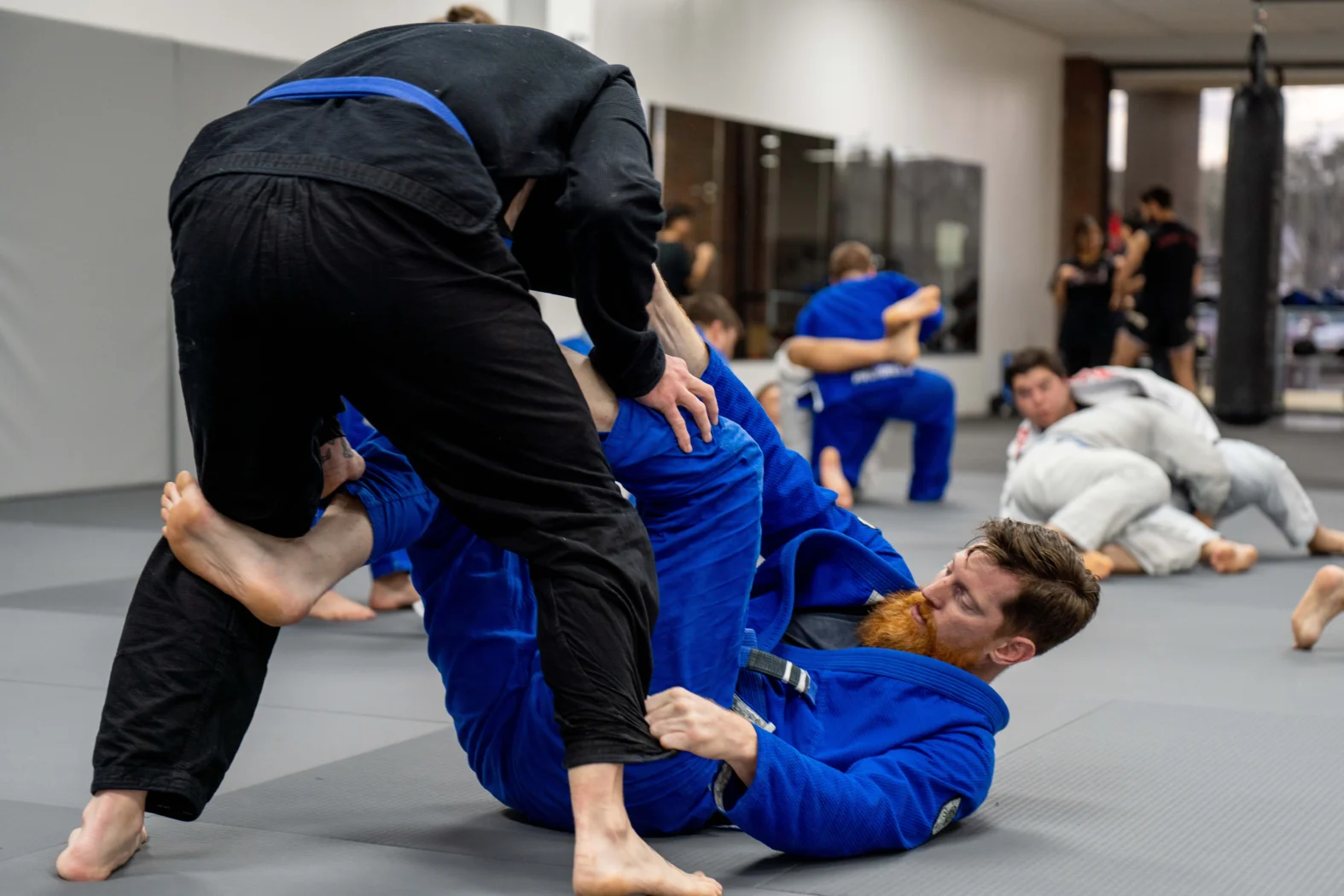
Choose One Lesson to Revisit
Choose one recent lesson for your next review. Reconstruct it from memory, compare it with your note, and identify the part that needs attention. Leave unrelated techniques for another session so that the review stays focused.
You can keep this routine brief: an entry after class, a recall attempt between sessions, and a practical check when that material returns. Use the same record throughout, updating it when instruction corrects an earlier misunderstanding.
DISCOVER PROGRESSO JIU JITSU PLANO
CLICK HEREBuild a Training Routine You Can Follow
To remember BJJ techniques, connect careful observation with a clear record and an honest check of what you can reproduce. Over time, your record can show which positions are familiar and where gaps remain.
Bring that attention to your training at Progresso Jiu Jitsu Plano. Work with the material covered in class and recognize concrete progress, whether that means recalling a setup independently or finally understanding the purpose of a detail.